
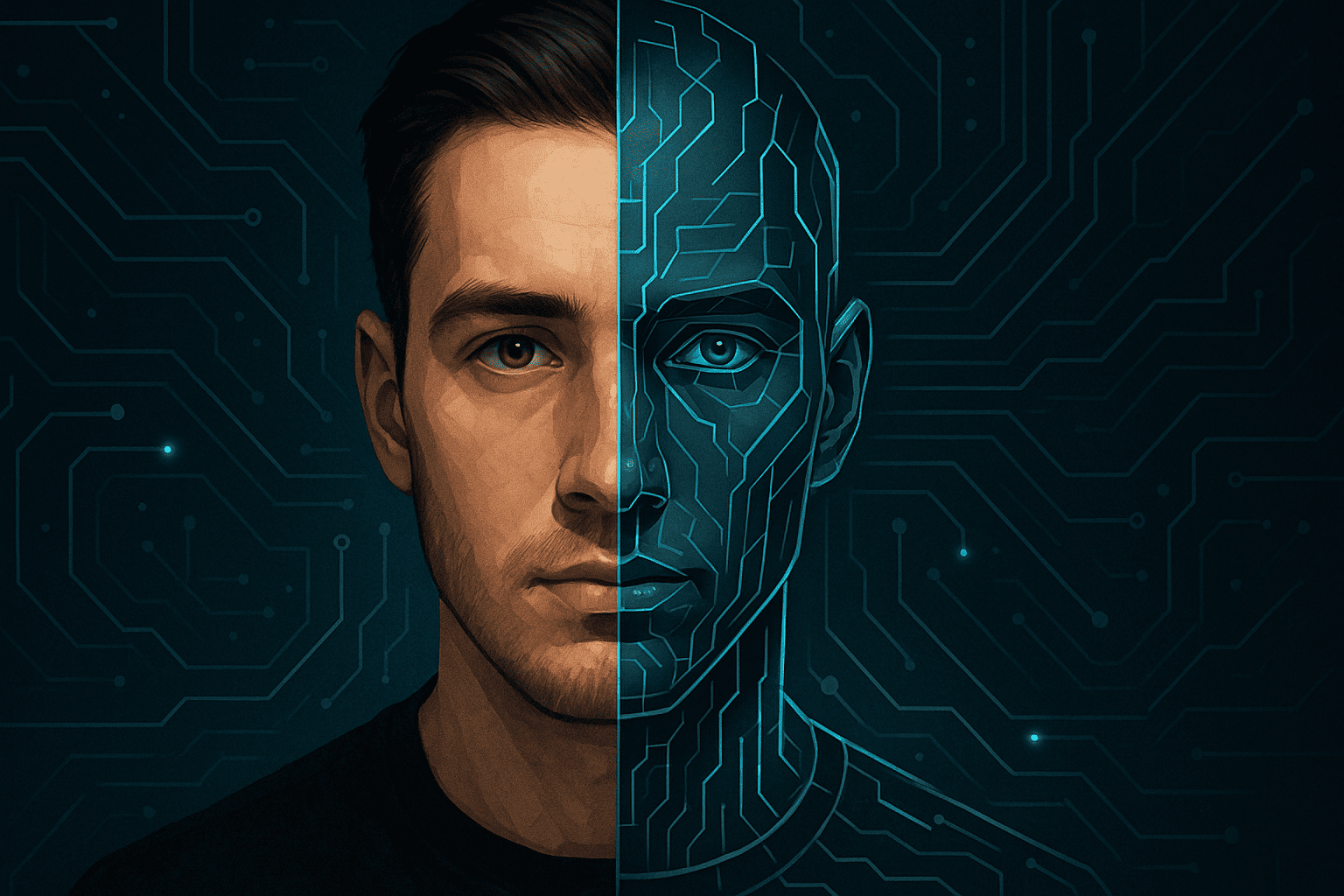
Online dating was once a simple exchange of messages and emotions, where people believed the person behind the screen was exactly who they claimed to be. But in today’s world, truth has become blurry. A new type of scam is growing rapidly: deepfake profiles. These AI-crafted identities are so convincing that even experienced online users struggle to spot the difference between real and fake.
This blog will guide you through what deepfake profiles are, how they trap people emotionally, why they’re spreading fast, and how you can protect yourself without giving up on online dating completely.
What Are Deepfake Profiles
Deepfake profiles are digital identities created using artificial intelligence. Instead of using stolen selfies or low-quality fake pictures like traditional catfishers, deepfake scammers use AI tools to generate:
• Realistic human faces
• Emotionally expressive videos
• Voice notes mimicking real people
• Entire conversation scripts
• Fake social media accounts supporting the identity
These AI-generated individuals look real, talk real, and feel real. Some don’t even exist in the real world. That is exactly what makes them so dangerous.
Why Deepfake Profiles Are Spreading Fast
Deepfake profiles have exploded on dating apps for three major reasons:
- AI tools are easy and cheap
Scammers no longer need technical skills. A few clicks can create a fully believable digital persona. - Dating platforms have millions of vulnerable users
People searching for love are naturally emotional, trusting, and hopeful—making them ideal targets. - Scammers can create dozens of profiles instantly
When one fake profile gets reported, a new one can be created within minutes.
This speed and simplicity have turned deepfake scams into a global problem.
How Deepfake Profiles Manipulate Emotions
Deepfake scammers don’t rely on looks alone. They use psychological tactics designed to pull you in emotionally.
Here are common manipulation techniques:
• They mirror your interests
• They respond quickly and affectionately
• They send AI-generated voice notes to feel more “real”
• They use romantic language early in the conversation
• They create a fast emotional connection
The goal is simple: get you attached before you notice anything unusual.
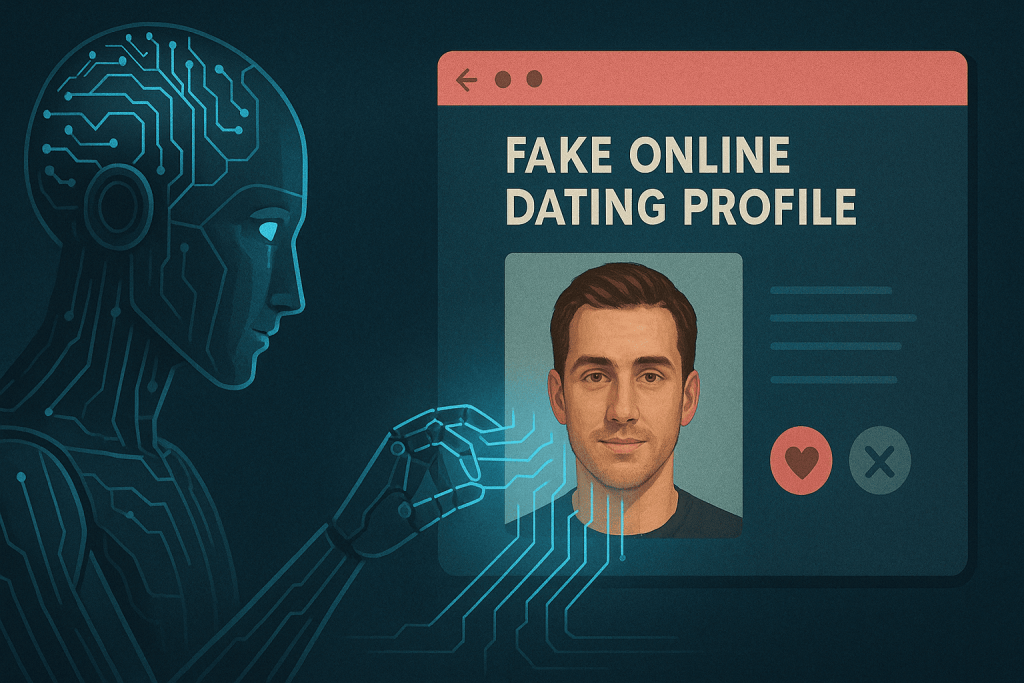
Signs You Are Talking to a Deepfake Profile
Deepfake profiles are advanced, but they still leave clues. If you notice several of these signs, you may be engaging with an AI-created identity:
• Profile photos look perfect or too professional
• They avoid real-time video calls
• Their responses feel scripted or overly polished
• They offer intense emotional attention very quickly
• Their background stories sound vague or inconsistent
• Their social media accounts are new or empty
• Photos show strange lighting or unnatural details
If something feels “too perfect,” trust your instincts.
Deepfake Profiles and Money Scams
Most deepfake scams eventually lead to money. But scammers don’t ask immediately. They invest time, build trust, and only then switch strategies.
Common financial traps include:
• Medical emergencies
• Urgent travel expenses
• Blocked bank accounts
• Investment opportunities
• Family crises
These emotional emergencies are carefully timed. Once you’re attached, you are more likely to help.
How Deepfake Profiles Steal Personal Information
Not all deepfake profiles want money. Some aim to steal personal details that can be used later for identity theft or blackmail.
Scammers may try to collect:
• Your address
• Your workplace details
• Private photos
• Email or phone number
• Social media accounts
• Financial information
Once collected, this information can be used for:
• Blackmail
• Accessing your online accounts
• Impersonating you
• Creating fake profiles using your photos
The damage can last for years.
How to Protect Yourself from Deepfake Profiles
Staying safe online doesn’t mean becoming paranoid. It means becoming aware.
Here are practical ways to protect yourself:
• Do a reverse search of profile photos
• Ask for spontaneous video calls
• Look for inconsistencies in their story
• Avoid sharing personal information early
• Keep conversations inside the dating app
• Move slowly instead of rushing connections
• Watch for emotional manipulation
• Never send money to someone you haven’t met
Awareness is the strongest shield.
What Dating Apps Are Doing to Fight Deepfake Profiles
Dating platforms are finally starting to fight back. Many are adding new safety features like:
• AI-based verification badges
• Facial recognition tools
• Activity monitoring systems
• Faster reporting and removal processes
But as the technology grows, scammers adapt quickly. This means your personal vigilance is essential.
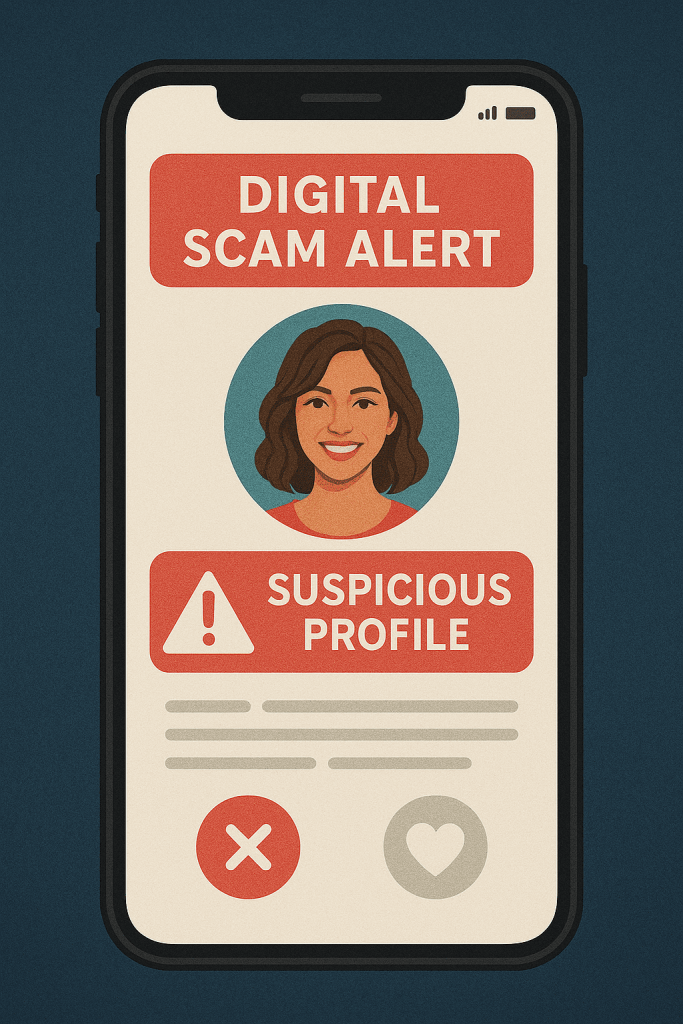
Real Stories from Victims of Deepfake Profiles
Many victims never speak up due to shame or embarrassment. But these stories are becoming more common.
People describe spending weeks talking to someone who felt absolutely real. They shared interests, exchanged voice notes, and even received fake videos. Everything seemed genuine until:
• Money requests appeared
• Communication patterns changed
• Video calls were repeatedly avoided
• The profile suddenly disappeared
Victims often say the same thing: “They felt too perfect to be fake.”
The Future of Deepfake Profiles
Unfortunately, the future looks more challenging.
Soon, deepfake technology will allow scammers to create live video calls that look real. This means users will need to be even more aware and cautious than ever before.
Deepfake profiles will become smarter, more believable, and harder to detect.
Deepfake Profiles
Deepfake profiles are not just another online trick. They are a powerful mix of technology and psychological manipulation. They target people’s emotions, privacy, finances, and trust.
But understanding how deepfake scams work gives you the advantage. With the right awareness, you can protect yourself, enjoy online dating safely, and build connections with confidence.
You don’t have to stop dating online. You just have to date smarter.
FAQs
How can I identify a deepfake profile quickly?
Look for perfect photos, fast emotional bonding, reluctance to video call, and inconsistent personal details.
Do deepfake profiles use real people’s faces?
Yes. Some deepfakes use AI-generated faces, while others clone images from social media.
What should I do if I suspect someone is a deepfake?
Stop sharing information, ask for real-time verification, and report the profile to the platform.


