

When Margaret, a 68-year-old widow from California, joined an online dating platform, she wasn’t looking for anything dramatic. She simply wanted companionship and heartfelt conversations. What she didn’t know was that someone a thousand miles away was watching her profile, waiting for the right moment to send a message that would change everything.
Her story is not unique. Every year, thousands of seniors fall victim to online dating scams that slowly gain their trust, steal their emotions, and eventually drain their life savings. The rise of these scams is alarming, but understanding how they work is the first step toward stopping them.
This article dives deep into how online dating scams targeting seniors are evolving, why older adults are becoming prime targets, and how you or your loved ones can stay safe.
Why Online Dating Scams Targeting Seniors Are Increasing
Online dating scams targeting seniors have grown rapidly over the past few years. Scammers are adapting their tactics, using new technology, and taking advantage of loneliness, emotional vulnerability, and limited digital awareness among older adults.
Seniors are targeted because:
• They are more trusting and polite
• Many live alone and seek companionship
• They often have stable financial savings
• They may be less familiar with digital fraud tactics
This creates the perfect environment for scammers to craft emotional stories that feel real, slowly building trust to manipulate their victims.
How Online Dating Scams Targeting Seniors Usually Begin
Online dating scams targeting seniors often start with a simple message. It may look harmless, warm, and respectful. However, behind that message is a carefully planned strategy.
Common ways scammers make initial contact:
• Fake profiles using stolen photos
• Random friend requests on social media
• Emotional introductions such as “I feel like I’ve known you forever”
• Claims of being widowed, divorced, or lonely
The goal is to appear relatable and trustworthy before slowly leading the victim into deeper emotional dependency.
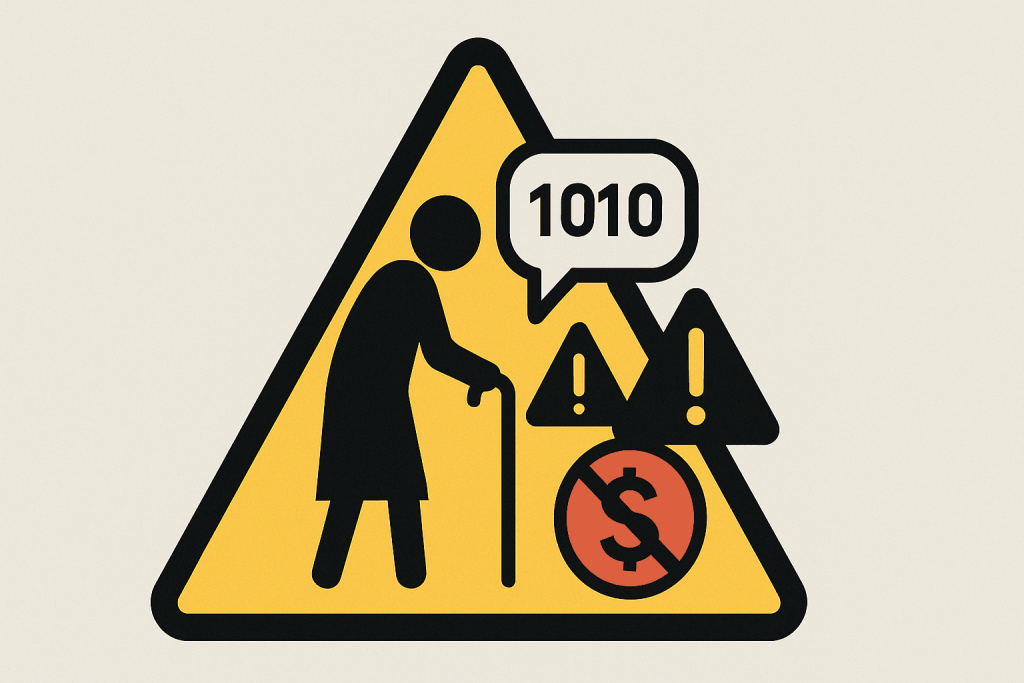
The Emotional Hooks Used in Online Dating Scams Targeting Seniors
Once the scammer connects, they begin using emotional triggers.
Typical emotional manipulation techniques:
• Constant compliments
• Long romantic messages
• Frequent good-morning and good-night texts
• Sharing fake personal tragedies
• Claiming to feel a deep connection too quickly
This emotional bonding often leaves seniors believing they have found genuine love, making it harder to see warning signs.
Red Flags of Online Dating Scams Targeting Seniors
Many seniors fall for scams because the warning signs appear slowly. Understanding the red flags makes detection easier.
Major red flags include:
• The person refuses video calls
• They claim to be overseas for work
• They say they cannot meet due to unexpected emergencies
• They ask for money or gift cards
• Their stories feel dramatic or rehearsed
• Their photos look too professional
When even one of these signs appears, it’s time to rethink the conversation.
Financial Tactics in Online Dating Scams Targeting Seniors
Most scams eventually lead to financial requests. They rarely ask directly at first instead, they use believable stories.
Common money-related excuses:
• Medical emergencies
• Travel problems
• Lost documents
• Investment opportunities
• Customs or shipping fees
Scammers use emotional pressure, pretending they will lose everything without help.
Real-Life Scenarios from Online Dating Scams Targeting Seniors
To understand how convincing these scams can be, here are typical scenarios:
Scenario 1
A scammer claims they are working on an oil rig and suddenly face a work accident. They ask the victim to send money urgently for treatment.
Scenario 2
The scammer says their wallet was stolen overseas and they need money to return home.
Scenario 3
They promise to visit but claim they are stuck at the airport due to missing documents, requesting cash to fix the issue.
All these scenarios are designed to trigger sympathy, not logic.
How Seniors Can Protect Themselves from Online Dating Scams
Seniors can stay safe by following simple but effective habits.
Protection tips:
• Never send money to anyone you haven’t met
• Verify photos with reverse image searches
• Avoid sharing personal or financial details
• Prefer video calls early in the conversation
• Talk to family members about new online relationships
• Report suspicious accounts immediately
Awareness is the greatest shield.
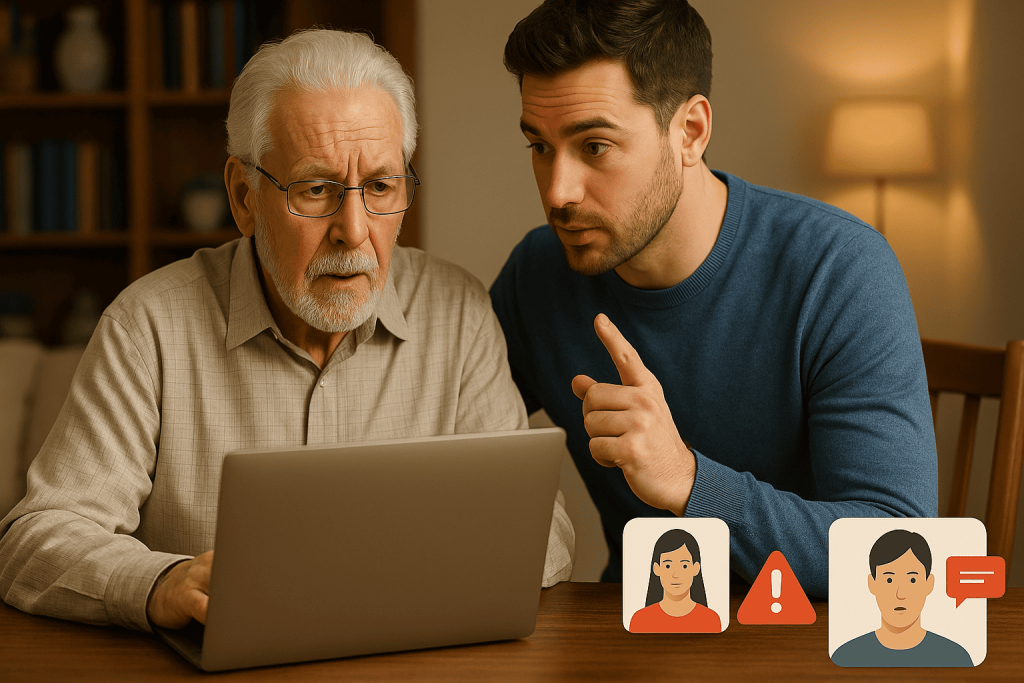
How Families Can Prevent Online Dating Scams Targeting Seniors
Family involvement can reduce the risk dramatically.
Helpful actions for families:
• Check in regularly
• Ask questions gently about new online friends
• Teach seniors privacy and internet safety
• Encourage seniors to discuss concerns without judgment
Open communication can stop scammers before they succeed.
The Psychological Impact of Online Dating Scams Targeting Seniors
These scams do more than cause financial losses. They break trust, create emotional trauma, and leave victims feeling embarrassed or isolated.
Common effects include:
• Shame
• Depression
• Loss of trust in others
• Anxiety
• Fear of using technology
Healing takes time, which is why supportive environments are crucial.
How to Report Online Dating Scams Targeting Seniors
Reporting helps authorities track scammers and prevent future attacks.
Where to report:
• Local law enforcement
• Online platform support
• Cybercrime complaint centers
• Financial institutions (if money was sent)
The faster the report, the higher the chances of stopping further damage.
Online Dating Scams Targeting Seniors
Seniors deserve love, companionship, and respect not manipulation. Although online dating scams continue to grow, awareness and prevention strategies make a significant difference.
By understanding how these scams work, recognizing the red flags, and staying informed, seniors and their families can protect themselves from emotional and financial harm.
Staying safe starts with awareness and awareness begins with knowledge shared.
FAQs
What is the biggest sign of online dating scams targeting seniors?
The biggest sign is when someone you’ve never met asks for money, especially after sharing emotional stories.
Why are seniors targeted more in online dating scams?
Scammers believe seniors have more savings, are more trusting, and often seek companionship, making them easier to manipulate.
Can online dating still be safe for seniors?
Yes, absolutely. With awareness, video verification, and safety practices, seniors can safely enjoy meaningful online connections.


