
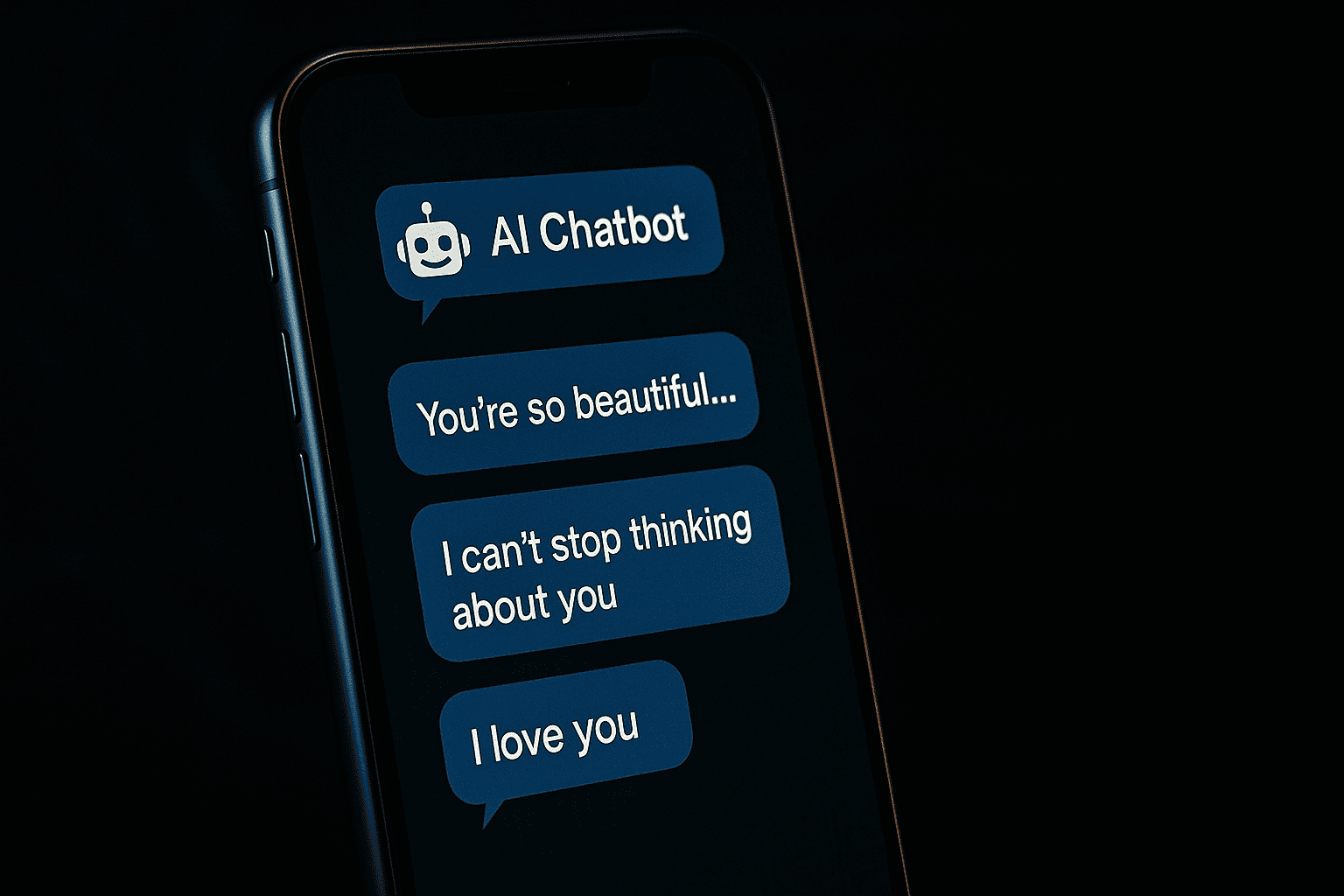
A few years ago, catfishing was mostly about stolen photos, fake profiles, and long emotional messages crafted by real people. But today, something far more advanced is entering the online world. When Sara met a charming man on a dating app, she thought his perfectly timed replies and deep emotional understanding were signs of a genuine connection. What she didn’t know was that she wasn’t talking to a person at all she was speaking to an AI chatbot controlled by a scammer.
This is the new reality of online deception. Catfishing is no longer limited to emotional manipulation by humans. It now combines advanced artificial intelligence, automated conversations, and highly realistic digital behavior, making scams more convincing than ever before.
This article uncovers how AI chatbots are being used in modern catfishing, why scammers prefer them, and how you can protect yourself from this rising threat.
Why AI Chatbots Are Changing Catfishing Tactics
Catfishing has always relied on manipulation, but AI has taken it to a new level. Instead of scammers spending hours messaging victims, they now use AI chatbots to automate conversations that feel natural and personal.
Reasons catfishing tactics are changing:
• AI replies instantly, making the conversation engaging
• Chatbots remember details and use them later, building trust
• Scammers can operate multiple fake profiles at once
• Emotional manipulation becomes faster and more effective
This shift allows fraudsters to run large-scale operations without getting tired or making mistakes.
How AI Chatbots Make Catfishing More Convincing
AI chatbots used in catfishing are not simple bots that send robotic replies. They analyze past messages, mimic emotional tone, and respond with human-like warmth or vulnerability.
Ways AI makes catfishing more realistic:
• Perfect grammar and polished conversations
• Quick adaptation to any topic
• Personalized responses using data from social profiles
• Emotional storytelling with believable details
For someone seeking companionship, these conversations can feel deeply authentic.
The Psychological Impact Behind AI-Based Catfishing
Catfishing works because it connects with people emotionally. AI makes this connection stronger by analyzing the victim’s patterns.
AI-driven psychological triggers:
• Mirroring the victim’s writing style
• Remembering small emotional details
• Sharing fake personal stories at the right moments
• Sending supportive messages during vulnerable times
This emotional intelligence makes victims believe they’ve finally met someone who truly “gets” them.
Warning Signs of AI Chatbots in Catfishing Schemes
Even though AI can mimic humans, it still leaves clues that can help you recognize a scam.
Signs you might be talking to an AI:
• Replies arrive instantly every time
• The conversation feels too perfect or overly emotional
• The person avoids video calls or voice chats
• Answers remain polite but generic
• They avoid giving direct details when asked
• The relationship escalates quickly
Once these signs appear, it’s important to step back and analyze the situation.
Message Patterns Common in AI Catfishing
Modern catfishing often follows predictable patterns. AI repeatedly uses certain message styles to maintain connection.
Common patterns include:
• Long emotional paragraphs
• Repeated phrases with slight variations
• Overly supportive messages
• Dramatic personal hardships that appear suddenly
• Excessive flattery
These patterns are crafted to make victims trust the fake identity.
Why Scammers Prefer AI for Catfishing
AI gives scammers speed, efficiency, and emotional impact. Instead of managing one or two victims, AI allows them to manage thousands at the same time.
Benefits for scammers:
• AI runs 24/7 without breaks
• More victims can be targeted at once
• Fewer typing mistakes that raise suspicion
• Automated responses prevent delays
• Scammers only step in when money is involved
This creates a powerful combination of automation and manipulation that is difficult for victims to detect.
Realistic Scenarios of AI Chatbot Catfishing
Scenario 1
A scammer uses AI to chat with multiple victims at the same time, sending romantic messages, life advice, and emotional support that feels deeply personal.
Scenario 2
The AI creates a fake crisis, such as a sudden medical emergency or a business problem, and leads the victim emotionally toward the idea of helping financially.
Scenario 3
The AI chatbot asks probing questions to gather personal details that can later be used for identity theft.
Each scenario creates the illusion of a real relationship, even when no human is involved.
How to Protect Yourself from AI-Based Catfishing
Staying safe requires awareness and simple protective steps.
Protection tips:
• Do not trust anyone who avoids video calls
• Use reverse image search for profile photos
• Notice whether replies feel overly polished
• Question emotional stories that escalate quickly
• Avoid sharing financial or personal information
• Speak to family or friends if something feels off
Awareness is your strongest defense.
Tools to Detect AI Chatbots Used in Catfishing
Several tools can help you identify possible AI behavior.
Useful detection methods:
• Chat pattern analyzers
• AI behavior detectors
• Reverse image search platforms
• Social media verification tools
While no tool is perfect, combining multiple checks reduces the risk.

How AI Catfishing Impacts Victims Emotionally and Financially
AI catfishing affects more than just wallets. It deeply impacts emotional well-being and trust.
Common emotional effects include:
• Heartbreak
• Loss of trust in relationships
• Anxiety and confusion
• Shame or embarrassment
Financial losses also happen when victims send money, buy gift cards, or share personal details that lead to identity theft.
The Future of Catfishing in an AI-Driven World
As AI grows more advanced, catfishing will also continue evolving. Future scams may involve voice cloning, deepfake video calls, and personalized emotional manipulation.
Future risks:
• Voice calls that sound real
• Video chats created with deepfake technology
• AI-generated romantic messages tailored perfectly to victims
Understanding the risks today helps prevent manipulation tomorrow.
AI Chatbots Used in Modern Catfishing
Catfishing has entered a new era, and artificial intelligence has become the scammer’s most powerful tool. While technology makes communication easier, it also creates risks that must be taken seriously.
Awareness, careful communication, and digital caution can protect you from falling into a carefully constructed AI trap. The best defense is staying informed and knowing the signs before it’s too late.
FAQs
How can I tell if I’m talking to an AI chatbot?
Look for instant replies, overly perfect messages, and avoidance of video or voice calls. These are common signs of AI-driven conversations.
Why is AI making catfishing more dangerous?
AI can manage multiple victims, mimic emotional behavior, and create highly realistic conversations, making scams harder to detect.
Can catfishing be prevented?
Yes. Awareness, verification methods, and cautious online habits can reduce the chances of falling victim to modern catfishing scams.


