
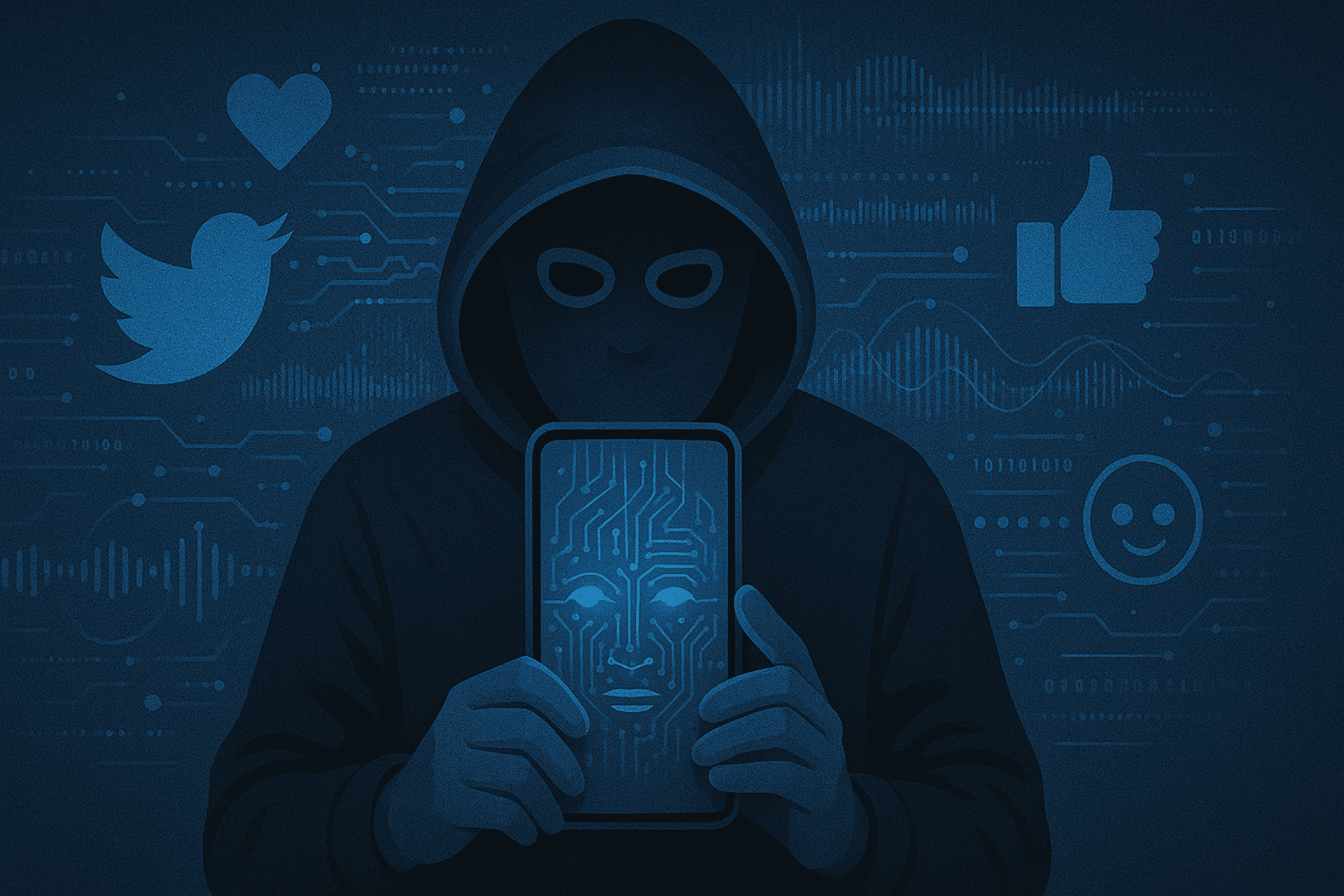
Catfish Scams are no longer simple stories of stolen photos and fake profiles. As we step into 2025, these scams have transformed into highly advanced, emotionally manipulative operations powered by new technology, deeper psychological tactics, and smarter strategies. Today, scammers are not just hiding behind attractive profile pictures they’re using artificial intelligence, voice cloning, deepfake videos, fake digital footprints, and believable life stories crafted with precision.
Each tactic is designed to create trust faster, break emotional defenses more easily, and exploit personal vulnerabilities more effectively. Unlike older scams that relied on obvious lies and generic excuses, Catfish Scams in 2025 feel real, intimate, and dangerously believable. Many victims find themselves emotionally attached before noticing any red flags. By the time suspicion appears, the scammer has already gathered enough personal information or emotional leverage to take advantage. Understanding these new methods isn’t just helpful it’s essential for anyone using online dating today.
Why Catfish Scams Are Becoming More Advanced in 2025
Catfish Scams in 2025 have evolved because scammers now have access to powerful tools that were never available before. From AI-generated profile images that look shockingly real to deepfake video calls that replicate human expressions, deception has become easier than ever. Scammers are also studying human behavior more carefully, using psychology-based methods to connect emotionally and maintain control over conversations. They no longer rush victims or ask for money immediately. Instead, they create long-term digital relationships using consistent messaging, emotionally supportive behaviors, and believable real-life stories. This makes the connection feel genuine, causing victims to drop their guard.
Scammers also monitor social media trends, learning what people desire whether it’s companionship, validation, or emotional support. As a result, their approach feels tailored to each victim. With more people shifting to online dating and forming connections through digital communication, Catfish Scams now blend seamlessly into everyday interactions, making them much harder to detect.

New Technology Driving Catfish Scams in 2025
Technological innovation is the biggest driving force behind the evolution of Catfish Scams. In 2025, scammers are using sophisticated AI tools that were once limited to tech experts. AI-generated photos (known as “AI faces”) allow scammers to create realistic profile images that don’t exist anywhere online, making reverse image searches useless.
They combine these photos with AI-written biographies that match the victim’s interests, creating a sense of instant compatibility. Another alarming development is the rise of deepfake video calls where scammers create hyper-realistic videos that mimic facial expressions and lip movements. This helps them avoid suspicion during live interactions. Additionally, AI voice cloning allows scammers to send believable voice notes and emotional calls. These technologies create an illusion of authenticity that is extremely difficult to break. The scariest part? All of this can be done with free or low-cost tools accessible to anyone.
Catfish Scams Using AI-Created Profiles and Fake Identities
One of the biggest shifts in Catfish Scams for 2025 is the use of AI-created identities. Instead of stealing someone’s photos and risking exposure, scammers now build entire fake digital personas from scratch. These personas include:
- AI-generated profile photos
- AI-created family members or friends
- Made-up job descriptions
- Fake social media timelines
- LinkedIn-style career histories
- Old travel photos generated by editing software
This creates a convincing online footprint that looks real enough to fool even cautious individuals. Scammers know that people often check social profiles before trusting someone, so they build elaborate digital histories that support their lies. Some scammers even create multiple interconnected fake accounts to make their identity seem even more believable. These networks of fake people interact online, comment on each other’s posts, and create a fake social circle around the scammer. This makes victims believe they are talking to a real, well-connected person.
Psychological Manipulation Behind Catfish Scams in 2025
Alongside technology, Catfish Scams in 2025 rely heavily on emotional and psychological manipulation. Scammers spend weeks and sometimes months studying their victims’ personalities, analyzing their emotional triggers, and mirroring their communication style. They build trust slowly by offering constant attention, praise, empathy, and emotional validation. This method is closely related to love bombing, but with a more subtle and long-term approach.
Scammers create the illusion of compatibility through conversations about shared dreams, past struggles, and future goals. They use emotional vulnerability to deepen the bond until the victim feels genuinely connected. Once that emotional bond is strong, scammers introduce small red flags, such as minor emergencies or personal crises, that make victims feel responsible or supportive. These psychological tactics ensure the victim stays hooked even when doubts appear.

Red Flags of Catfish Scams You Must Watch for in 2025
Even though Catfish Scams in 2025 are advanced, they still leave clues. Pay attention to these warning signs:
- Refusing live video calls despite being active online
- Using AI-like voices or heavily edited audio messages
- Providing overly perfect stories with no flaws
- Having profiles with only a few photos but many followers
- Avoiding spontaneous photos or real-time proof
- Keeping conversations emotional but avoiding real-life meetings
- Mentioning sudden emergencies after gaining trust
- Having no trace of real past relationships, friends, or tagged photos
The combination of emotional connection and digital inconsistency is a major indicator you might be speaking with a catfish.
How to Protect Yourself from Catfish Scams in 2025
Protecting yourself from evolving Catfish Scams requires awareness and smart behavior. Always verify a person’s identity early in the conversation. Ask for a quick video call; genuine individuals have nothing to hide. Don’t trust overly perfect profiles look for natural life imperfections. Slow down emotionally and never rely solely on digital communication.
Check whether their lifestyle, photos, and stories are consistent across platforms. Avoid sending private information or personal images to anyone you have not met in person. If you ever feel pressured emotionally or financially, step back and reassess the situation. Your instincts matter.
Scammers rely on emotional manipulation, so maintaining control of your emotions is the best protection. If something feels “too good to be real,” pause and investigate before continuing.
FAQs
Are Catfish Scams more dangerous in 2025?
Yes. With AI tools, deepfake videos, and advanced emotional manipulation, Catfish Scams have become far more convincing and harder to detect.
Can AI-generated profiles be detected?
Yes, but it requires careful checking. Look for odd image lighting, repeated facial patterns, missing backgrounds, and inconsistent online footprints.
Should I trust someone I’ve never video-called?
Not completely. Video calls are one of the best ways to verify identity. Anyone refusing repeatedly is a major red flag.


