
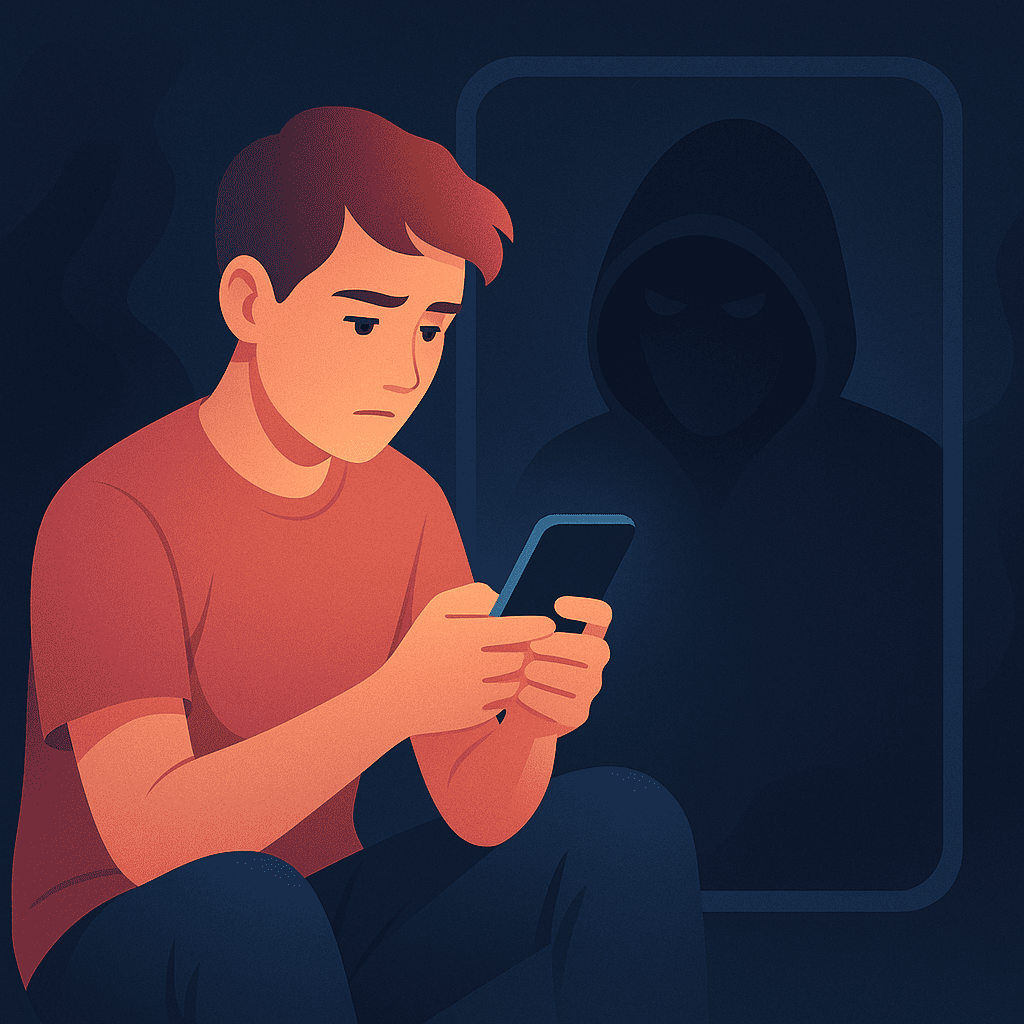
Romance fraud has always existed, but in 2025, it has become a silent predator targeting young adults more aggressively than ever. Social media, dating apps, and online gaming communities have created easy entry points for scammers who know how to read emotions, study behavior, and exploit insecurities. Young adults who are already navigating identity, financial pressure, academic stress, and emotional vulnerability become easy targets for digitally smart romance scammers.
Romance fraud targeting young adults doesn’t just involve emotional heartbreak or losing money. It involves a deeper psychological manipulation that starts with subtle, comforting messages, then grows into a toxic cycle of dependency and trust. Scammers don’t rush. They observe. They mimic your vibe, your humor, your insecurities, and your dreams. Only when the emotional foundation is strong do they begin revealing their real goal: money, personal information, or long-term control.
And the shocking truth is many young victims never realize they are being groomed until the damage is already done. That’s why understanding how romance fraud works, especially among young adults, is crucial for staying safe in today’s digital dating world.
What Is Romance Fraud Targeting Young Adults?
Romance fraud targeting young adults is a strategic, emotionally driven scam where fraudsters build romantic relationships online to manipulate victims into giving money, sharing personal information, or engaging in long-term financial control. What makes young adults the primary targets is their digital openness, emotional availability, and desire for connection.
Unlike older romance fraud versions where scammers used generic scripts, today’s fraudsters use AI-enhanced conversations, realistic photos, and even voice cloning to appear authentic. They appear as supportive partners, mentors, or likable online personalities who make the victim feel special.
This fraud isn’t just about money it’s about slowly shaping the victim’s emotions. Scammers make them feel seen, heard, and valued before using that emotional bond as a tool for manipulation. This is why young adults often fall for these scams without even realizing it is happening.
Why Romance Fraud Targeting Young Adults Is Increasing in 2025
Young adults today spend most of their social life online whether through dating apps, Discord servers, Instagram DMs, or gaming chats. This digital environment gives scammers endless opportunities to blend in naturally.
Key reasons this fraud is increasing:
- Loneliness and emotional needs after long periods of digital communication
- Inexperience in spotting manipulation or red flags
- Pressure to find love or companionship online
- Social media exposure, which helps scammers study victims
- Financial instability, making young adults more vulnerable
- AI-powered identity creation used by scammers
Combined, these factors create the perfect environment for romance fraud to grow rapidly among young adults.
How Romance Fraud Targeting Young Adults Works Step-by-Step
Romance fraud targeting young adults follows a psychological and emotional process. Scammers use patience, charm, and subtle manipulation to trap their victims.
1. The Introduction Phase
This is where the scammer approaches the victim through a dating app, Instagram DM, or gaming chat. They start with friendly, relatable messages. They mirror the victim’s humor, hobbies, and interests. Everything feels natural and safe.
2. The Emotional Connection Phase
Scammers slowly turn the conversation into something deeper. They ask about your dreams, fears, stress, family issues, and insecurities. They position themselves as someone who understands you more than anyone in your real life. This builds emotional dependence.
3. The Grooming Phase
Once trust is formed, they begin emotional grooming. They talk about their own vulnerabilities (fake stories), encourage the victim to open up, and create a bond that feels irreplaceable. They often message constantly morning, night, and during stressful moments.
4. The Financial Setup Phase
Scammers introduce subtle financial themes. Not a direct request, but small comments like:
- “I’m going through something difficult right now.”
- “My card isn’t working today because of bank issues.”
- “I wish I could come see you but I’m struggling financially.”
These hints prepare the victim for the eventual request.
5. The Actual Fraud Moment
The scammer finally asks for help small at first. Money for:
- A bill
- A flight ticket
- A medical emergency
- A “business opportunity”
- A cryptocurrency investment
Because of the emotional bond, many young adults feel obligated to help.
6. The Continuous Exploitation
If successful once, the scammer repeats the cycle larger requests, guilt-tripping, emotional manipulation. Some scammers continue for months, draining finances while controlling the victim emotionally.
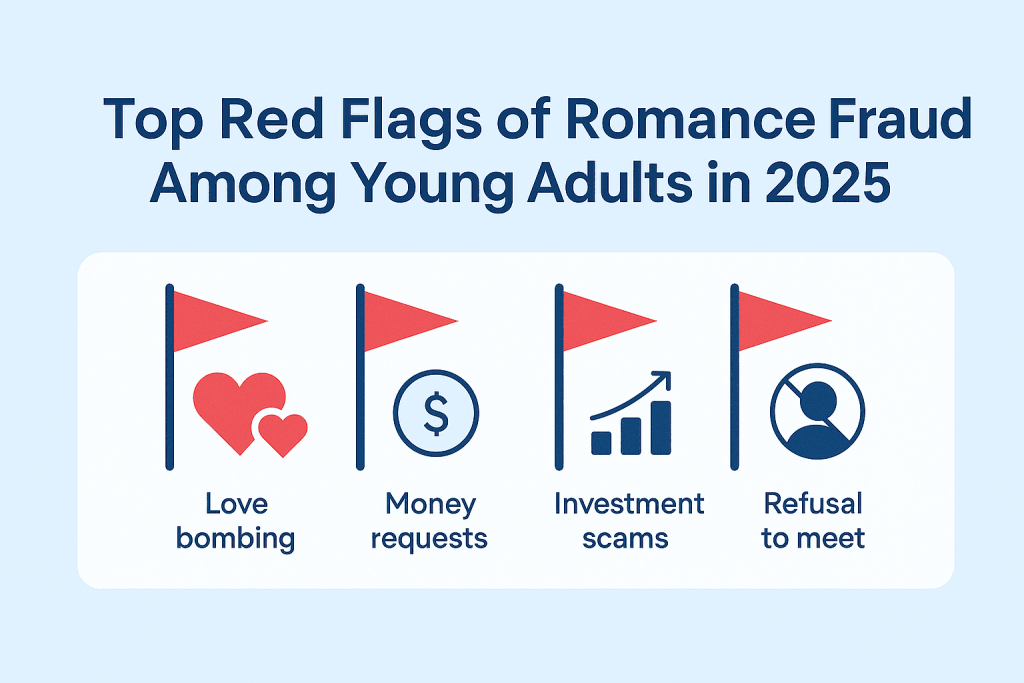
Warning Signs of Romance Fraud Targeting Young Adults
Young adults often overlook early red flags because the relationship feels genuine. But patterns always reveal scammers eventually.
Major Warning Signs:
- They avoid video calls or give excuses
- Their profile has inconsistencies
- They express deep feelings too quickly
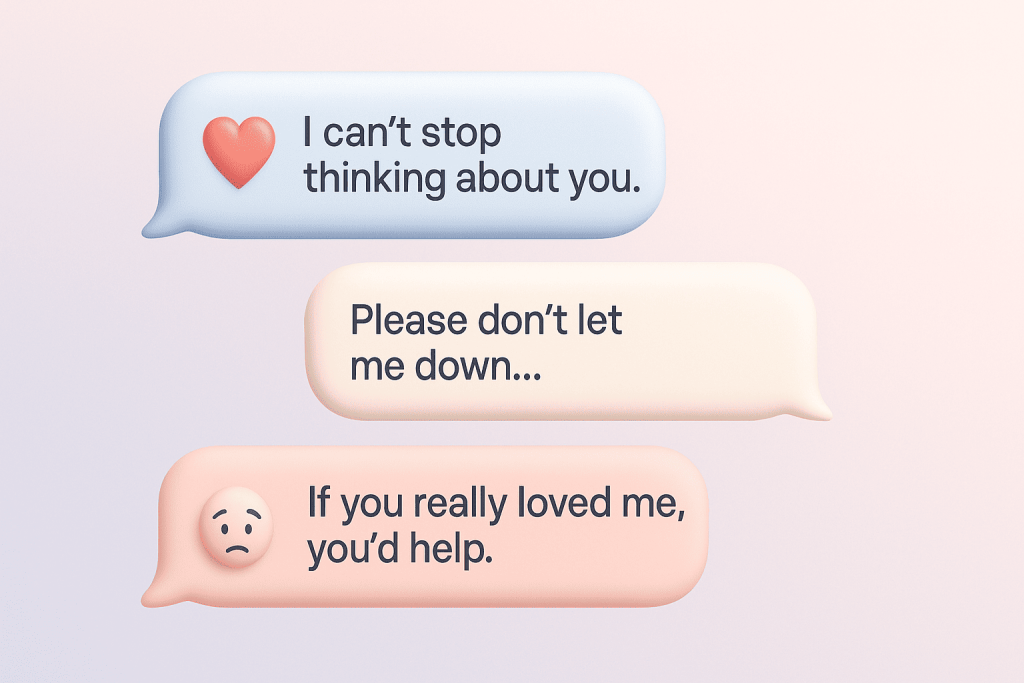
- They make you feel guilty for not replying
- They gradually introduce money-related conversations
- They encourage secrecy in the relationship
- They seem too perfect
- They emotionally withdraw if you question them
- They pressure you to move conversations off the dating app
If several of these signs appear, it’s likely a romance fraud situation.
How Young Adults Can Protect Themselves from Romance Fraud
Young adults can protect themselves by building digital awareness and emotional boundaries.
Practical Ways to Stay Safe:
- Never send money to someone you have never met in person
- Verify photos using reverse image search
- Ask for live video calls early
- Keep conversations on official platforms
- Share concerns with a trusted friend
- Avoid rushing emotional commitments
- Learn common manipulation patterns
These actions significantly reduce the risk of falling into a romantic scam.
Psychological Impact of Romance Fraud on Young Adults
Romance fraud doesn’t just drain bank accounts it deeply wounds emotional stability. Young adults often experience:
- Anxiety
- Depression
- Trust issues
- Fear of future relationships
- Shame and self-blame
- Social withdrawal
- Loss of confidence
It’s important to understand that victims are not “foolish.” Scammers use professional-level psychological manipulation techniques designed to break emotional defenses.
What to Do If You Are a Victim of Romance Fraud
Taking action early can limit emotional and financial damage.
Immediate Steps:
- Cut off contact immediately
- Document all chats and proof
- Report the scammer on the platform
- Contact your bank if money was sent
- File an online fraud complaint
- Talk to a counselor or support service
- Read educational guides to rebuild trust
FAQs
Why are young adults the main targets of romance fraud?
Young adults often have higher emotional vulnerability, digital trust, and online exposure, making them easier to manipulate emotionally.
How can I confirm if my online partner is real or fake?
Request a live video call, verify their social media, check photo authenticity, and look for inconsistencies in their stories..
Can victims recover money lost in romance fraud?
Recovery depends on the bank, platform, and reporting speed. Early action increases chances of partial or full recovery.


