
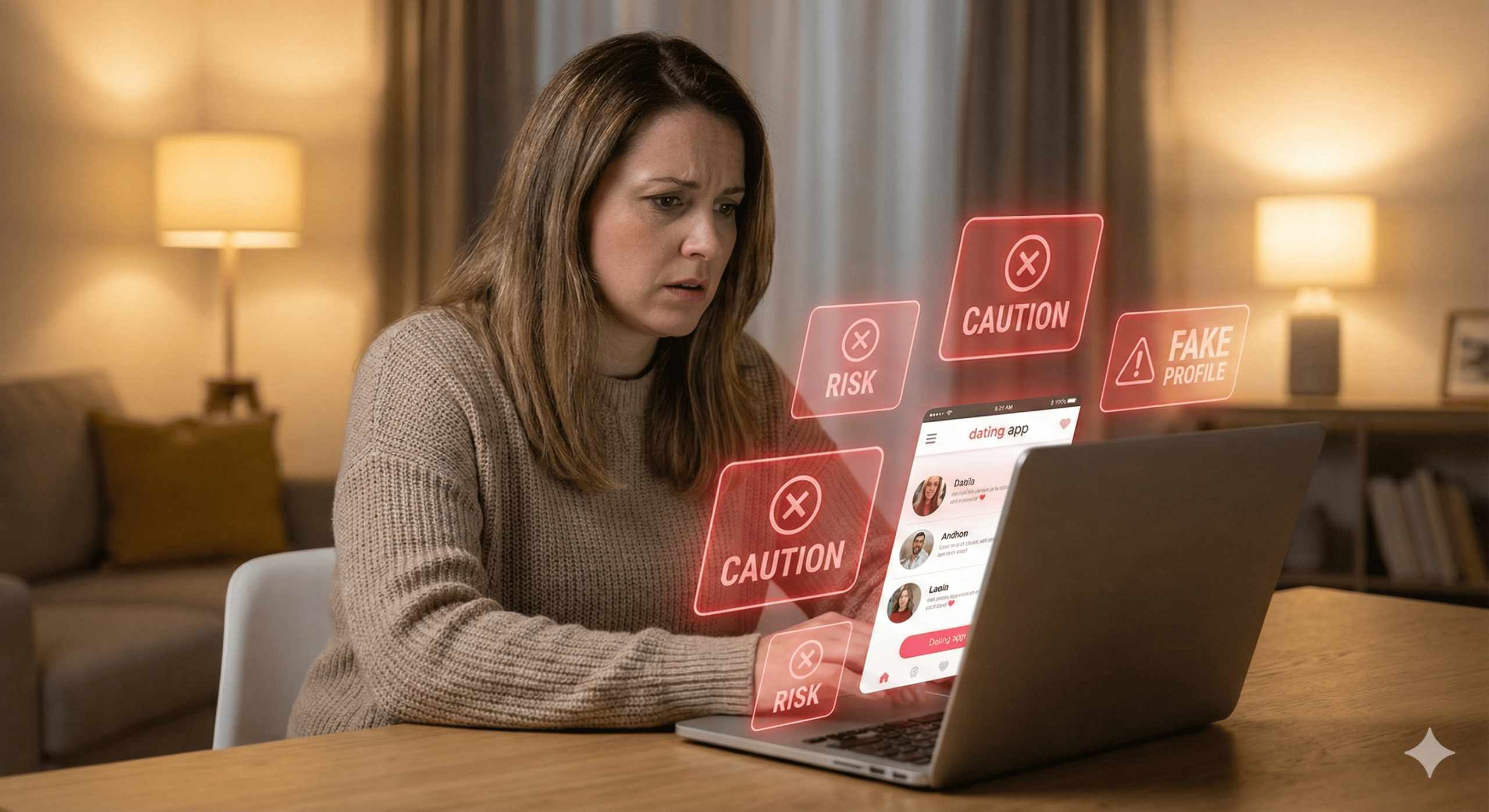
There is a moment many online daters experience that feels both flattering and slightly overwhelming. Someone new enters the chat, and within hours, they speak as if they’ve known you for years. They call you special, unique, different from everyone else. They tell you they have never connected this deeply so quickly. This seems like a dream for anyone who has been searching for a genuine match, but it is also one of the earliest red flags in digital dating. Scammers understand that emotional intensity lowers your guard, increases your trust, and makes you more willing to believe their words without questioning their intentions. They rush intimacy because speed benefits them not you.
Real emotional bonds take time, conversation, and shared moments. When someone tries to accelerate connection unnaturally fast, it is often a sign they are trying to create emotional dependence before revealing their true motives.
Red Flags in Profiles That Seem Too Perfect
Almost everyone hopes to meet someone incredible online someone attractive, kind, emotionally mature, and financially stable. But profiles that seem too perfect are often hiding something. One of the biggest red flags is when every photo looks professionally edited, overly staged, or stolen from stock-image style settings.
Many scammers intentionally choose glamorous photos to create a fantasy that lures people in. Their bios often sound polished but vague, filled with generic lines about travel, family values, or “looking for something real.” They rarely mention real details, passions, or personal stories. Instead, they rely on perfection to mask the truth: their identity does not exist. A genuine person has quirks, real imperfections, and natural photos that show different sides of their life. When perfection feels unnatural, it usually is. And trusting an illusion can pull you into situations that are harder to escape later.
Red Flags in Conversations That Avoid Real Details
In the beginning, conversations with online matches often feel smooth and effortless. But a major red flag is when things seem smooth because the person never gives real answers. Scammers rely on ambiguity they share emotional stories but avoid specific details. They may talk about losing a spouse, facing a hardship, or going through something dramatic, but when asked deeper questions, their answers remain shallow and repetitive. They also shift conversations back to you because the less they reveal, the less they can be caught in a lie.
If you notice someone repeating the same emotional phrases, avoiding personal clarity, or directing conversations away from details like hometown, workplace, or daily life, it is a subtle sign something is wrong. Real people share freely; fake ones hide behind scripted responses.

Red Flags in Requests to Move Platforms
A request that seems harmless can be one of the most overlooked red flags in online dating: “Let’s move this conversation to WhatsApp, Telegram, or private messages.” Scammers prefer encrypted or private platforms because dating apps monitor suspicious behavior. Once the conversation moves off-platform, they can control communication without restrictions or oversight. Many victims misunderstand this step as a sign of genuine interest, but for scammers, it is a strategic move that allows them to intensify emotional manipulation. If someone insists on moving chats too quickly or becomes irritated when you prefer to stay on the app, it is a sign that they do not want their activities tracked. A real person will understand boundaries. A scammer will push urgently because privacy benefits their agenda.
Red Flags in Stories Involving Travel or Work Abroad
Some of the most common red flags involve people who claim they cannot meet in person because they live or work abroad. They might say they are stationed overseas, working on an oil rig, serving in the military, or attending long business trips that somehow never end. This is not a coincidence scammers often use these stories to justify why they cannot meet, video chat, or verify their identity.
The distance allows them to maintain excuses while building emotional attachment. When someone always has a reason for being unavailable, especially reasons that sound too dramatic or too convenient, it is a sign they are protecting a lie. Genuine long-distance situations still allow for transparency, video calls, and real consistency. When excuses pile up, trust should go down.
Red Flags in Requests for Money or Financial Help
This is the red flag that transforms suspicion into certainty. Scammers eventually move toward financial requests but they do it strategically. They build trust first, create emotional dependency, and then present a crisis. It may be a medical emergency, a frozen bank account, a business opportunity, delayed salary, or sudden travel trouble. They insist the situation is temporary and promise to repay you. Sometimes they do not ask directly but hint at struggles, hoping you will offer support voluntarily.
Once money enters the relationship, the dynamic shifts entirely. A real partner would never rely on someone they barely know for financial rescue. The moment money becomes part of the conversation, it is no longer dating it is deception.
Red Flags in Refusal to Video Chat or Meet
If someone can message you constantly but can never video call, that is one of the strongest red flags in online dating. Scammers avoid video calls because their appearance does not match their stolen photos. They may blame bad internet, different time zones, strict workplaces, or camera problems. These excuses may sound believable at first, but they repeat them endlessly. When someone refuses every attempt to verify their identity, it is because verification would expose their real intentions.
A real person will make time to connect face-to-face, even briefly. A scammer will never risk it. Their world survives only in text messages and stolen images.
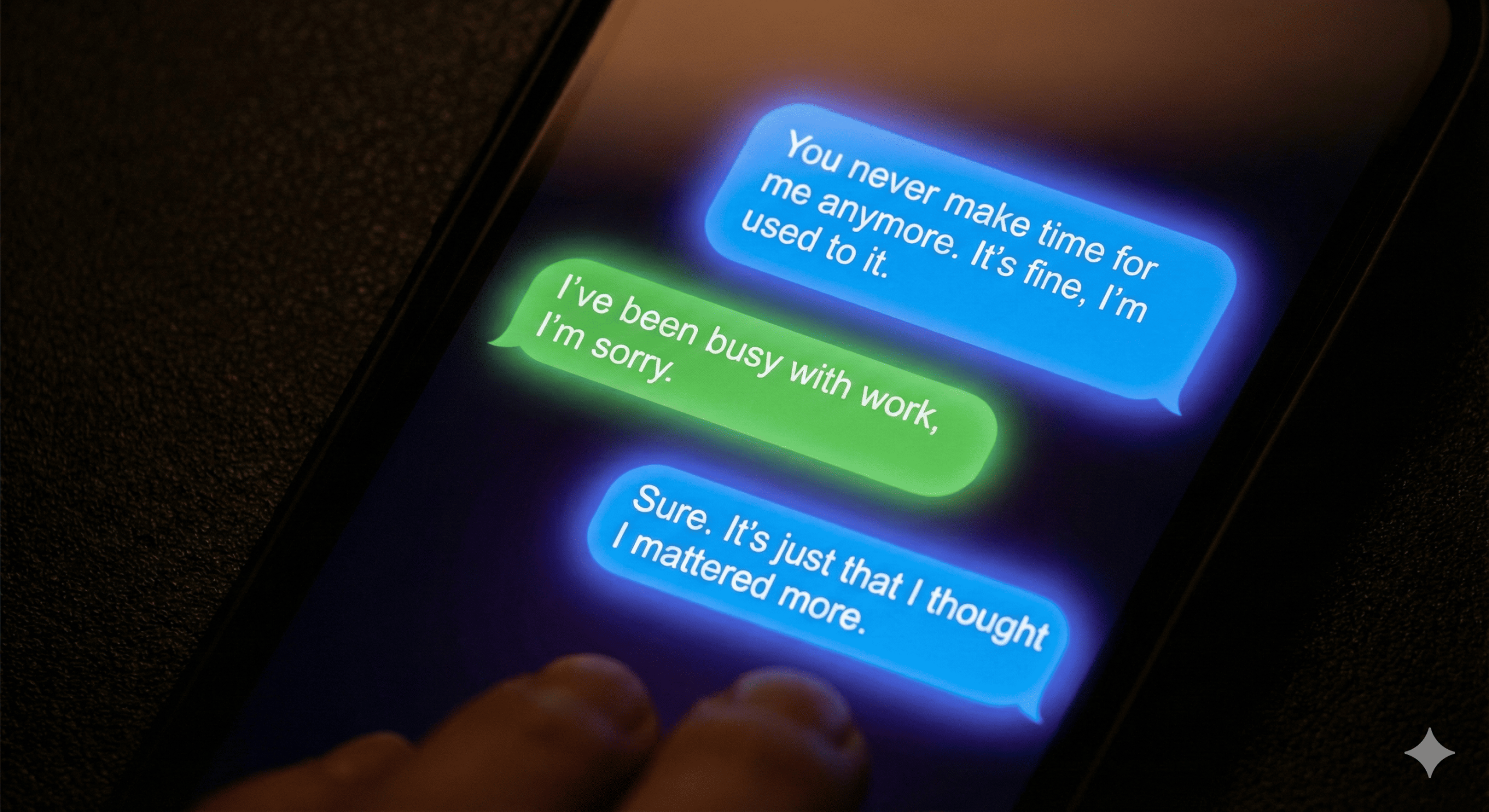
Red Flags in Overly Fast Talk About Love or Future Plans
One of the most emotionally manipulative red flags is when someone starts talking about love, marriage, children, or long-term plans far too early. Scammers do this intentionally. They know that emotional promises create psychological commitment. By painting a fantasy future, they make victims feel special, chosen, and deeply connected. This fantasy becomes the foundation for deeper manipulation later especially financial exploitation. Real relationships grow slowly and naturally. When someone rushes love or talks about commitment before establishing trust, it is a sign they are trying to secure emotional control, not build a genuine bond.
Key Red Flags List
- Instant emotional intensity
- Perfect-looking profiles
- Vague personal details
- Pressure to move platforms
- Excuses to avoid video calls
- Stories involving overseas work
- Financial requests
- Fast declarations of love
Red Flags You Should Never Ignore
Some red flags are subtle, but others are impossible to ignore. If someone consistently behaves in ways that make you feel confused, uncomfortable, or pressured, your intuition is already alert. Online dating should feel safe, natural, and mutually respectful. When something feels off even slightly it is worth slowing down. Scammers succeed because victims silence their own instincts. They rely on fast emotions and hope you will overlook rational warning signs. But the truth is simple: real relationships never demand your money, never hide their identity, and never rush your trust. Paying attention to red flags is not paranoia it is protection.
FAQs
What are the biggest red flags in online dating?
Instant emotional connection, refusal to video call, perfect profiles, and financial requests are the strongest warning signs.
Can scammers pretend to be in love?
Yes. Many scammers use scripted lines, emotional manipulation, and future promises to create false intimacy.
How can I verify someone online?
Request video calls, reverse search their photos, ask specific questions, and avoid sending money or personal information.


