
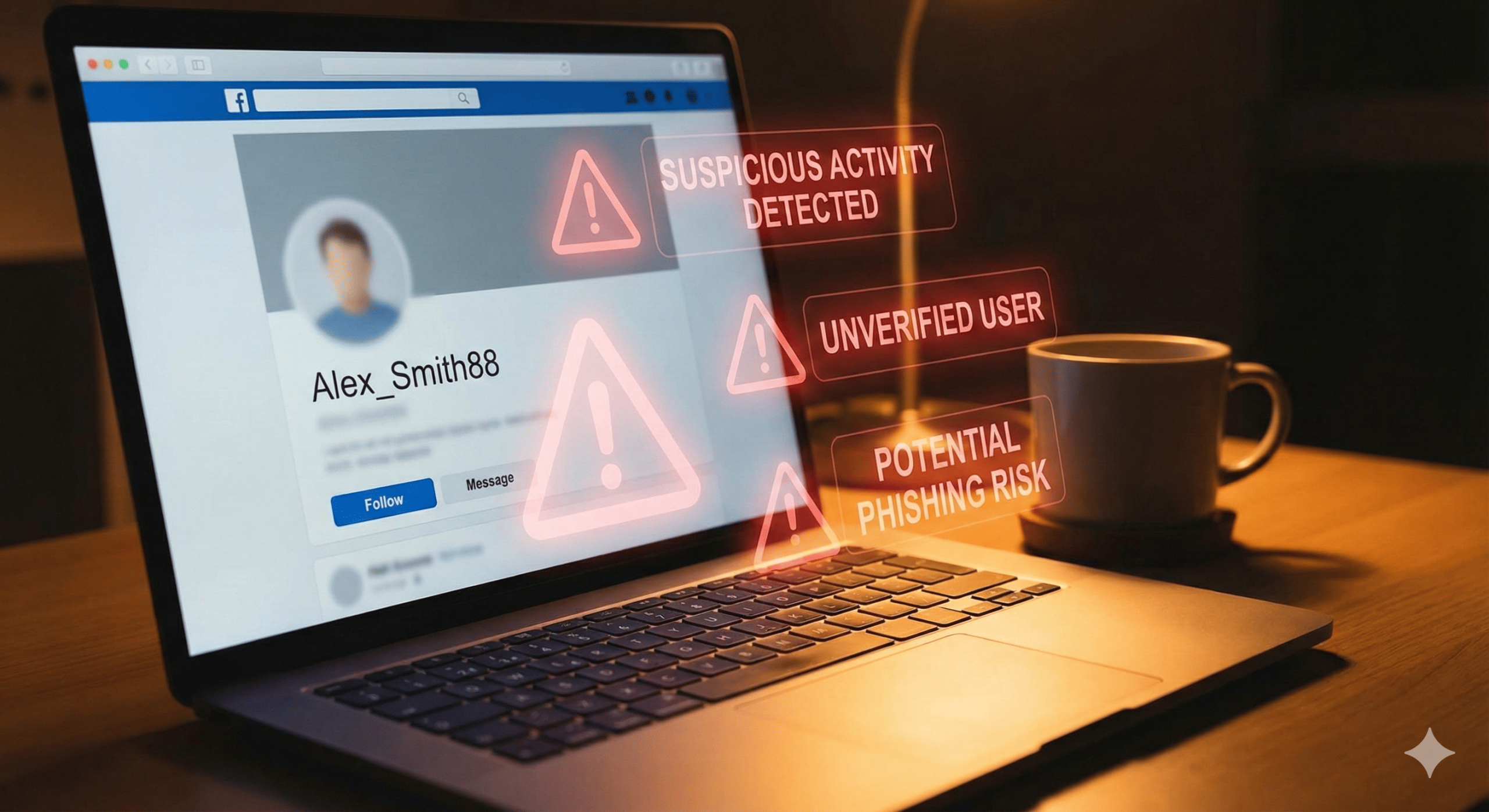
There was a time when Dating Scams were easier to recognize. Messages were poorly written, profiles looked suspicious, and scammers reused the same excuses over and over. But today, the entire digital landscape has changed, and with it, scammers have evolved their methods. Modern Dating Scams feel frighteningly real because scammers study human emotions, mimic relationship patterns, and build connections with patience instead of rushing the process. They know that trust is not built overnight and the longer they stay, the harder it becomes for victims to question their intentions.
Many people fall for these traps not because they are naive, but because scammers have learned to replicate authentic love, empathy, and support. This shift makes Dating Scams blend seamlessly into genuine interactions, causing victims to ignore red flags and believe in something that never existed in the first place.
Dating Scams Using AI and Technology to Sound More Human
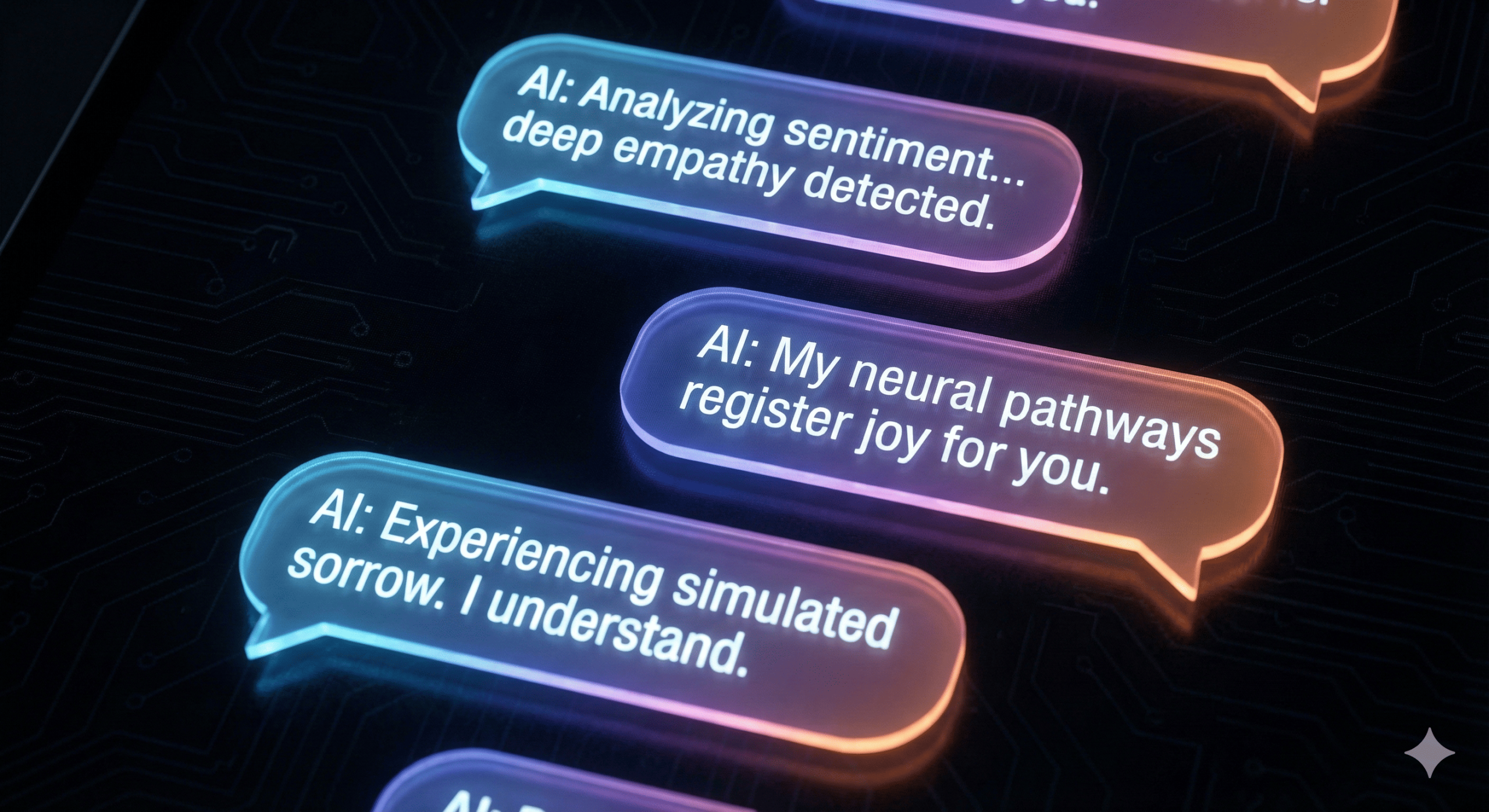
One of the biggest reasons Dating Scams are harder to detect today is the rise of artificial intelligence and automated tools. Scammers now use AI to write emotionally convincing messages, translate languages perfectly, and respond instantly with human-like tone and rhythm. Gone are the days of obvious grammar mistakes or robotic replies; today’s scammers can match your communication style, mirror your emotions, and adapt to any conversation. They can maintain multiple victims at once because AI helps them stay consistent, charming, and available. Some even use deepfake videos or stolen social media clips to appear genuine during video calls.
These technological advancements make Dating Scams nearly indistinguishable from real relationships, especially when someone is seeking emotional comfort and vulnerable to manipulation from those who seem understanding and supportive.
Dating Scams Thriving Because People Crave Connection
Modern life has made people lonelier, busier, and more digitally dependent. This emotional environment gives Dating Scams the perfect opportunity to thrive. Many people work long hours, have limited social circles, or struggle with past relationship trauma. So when someone appears online offering warmth, admiration, and attention, it feels like a breath of fresh air. Scammers understand this emotional gap. They study human loneliness and use it as their doorway into victims’ lives. They listen deeply, respond consistently, and make people feel valued in ways their daily lives often don’t provide.
This emotional bond makes victims disregard warning signs because the relationship fills a real emotional need. Dating Scams succeed not just because scammers are smart but because humans naturally crave connection, affection, and understanding. This opens the door for manipulation in ways people do not realize until it’s too late.
Dating Scams Hiding Behind Real Photos and Verified Profiles
One of the most dangerous aspects of modern Dating Scams is their access to convincing identities. Scammers steal real people’s photos, social media posts, and even their professional details to create profiles that look authentic. With just a few clicks, they can build an online identity that appears trustworthy, successful, and appealing. Some even use AI-generated faces that no one can reverse-search online because they don’t belong to a real person.
Apps now offer verification badges, but scammers have found ways to mimic or manipulate these too. When a profile looks polished, consistent, and “ordinary,” victims naturally trust it. And that’s exactly why today’s Dating Scams are harder to detect they don’t look fake anymore. They look like your coworker, your neighbor, or a real single parent looking for love.
Dating Scams Built Slowly With Strong Emotional Bonds
In the past, scammers rushed their approach: quick confessions of love, fast-moving conversations, and immediate requests for help. But today’s Dating Scams have shifted to long-term plans. Scammers now invest weeks or months building trust before making any requests. They study your daily routine, learn your emotional triggers, and adapt their personality to what you want.
This “slow burn” strategy creates a sense of safety. You begin believing they genuinely care. They comfort you during tough days, encourage your goals, and share stories that feel heartfelt even though none of it is real. By the time they ask for financial assistance or personal information, you have already formed an emotional attachment. This method is so effective that even smart, cautious people become victims. The scam doesn’t feel like a scam it feels like a relationship.
Dating Scams Using Work-Related Excuses to Avoid Meeting
A classic sign of Dating Scams is the inability to meet in person. But what makes this harder to detect today is how believable the excuses sound. Scammers often claim they work overseas, serve in the military, manage international business operations, or travel constantly for corporate projects. These professions naturally justify distance, irregular schedules, and limited availability.
Victims no longer question the excuses because they seem realistic in today’s globalized world. Even video calls are sometimes avoided using technical reasons like weak Wi-Fi, time zone conflicts, or strict workplace policies. Because these explanations fit modern life, victims accept them without realizing they are being played. Scammers know that distance protects their lies and distance makes Dating Scams nearly impossible to confirm early on.
Dating Scams Taking Advantage of Social Media and Public Information
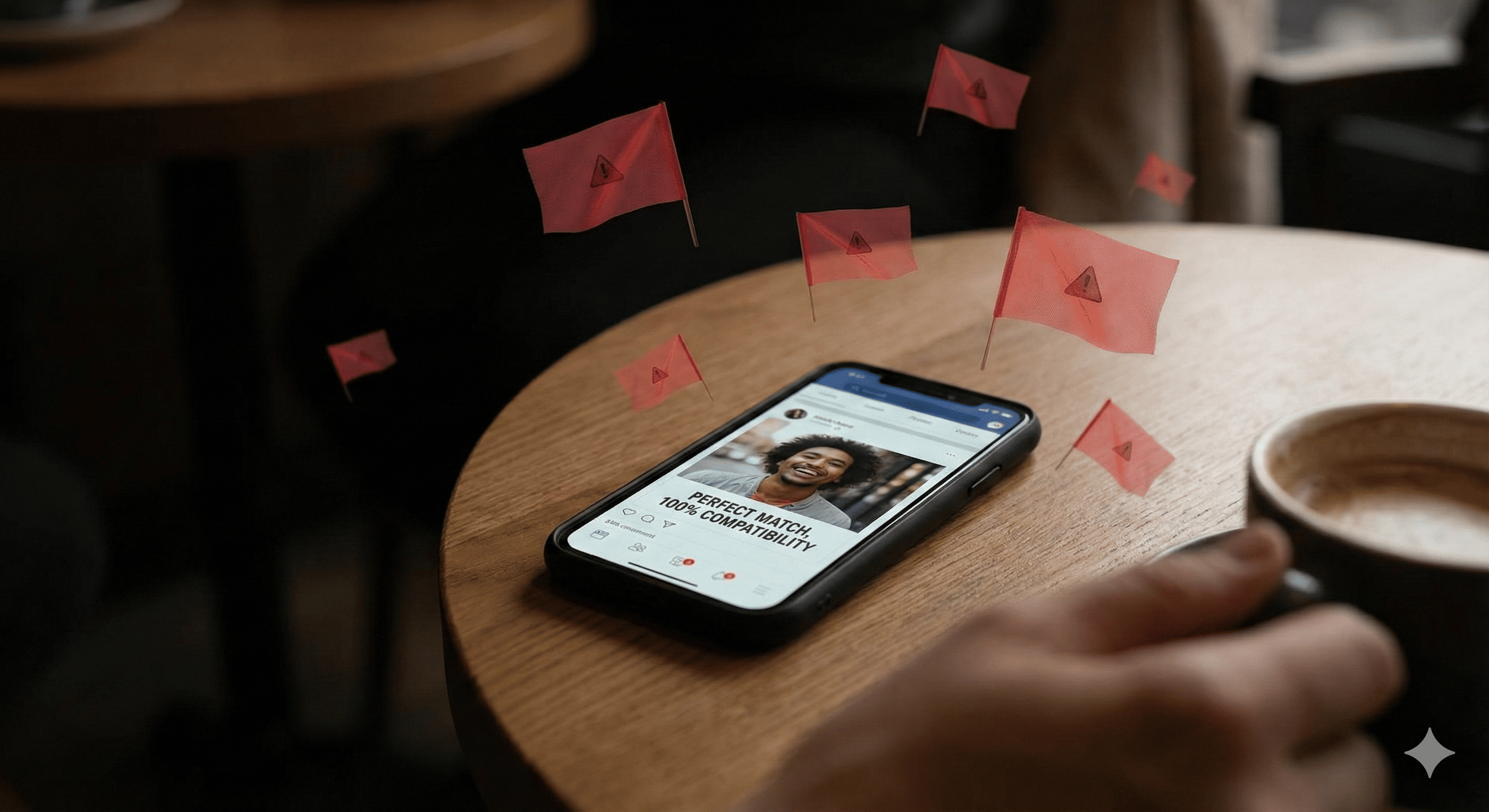
Scammers today don’t start conversations blindly they study you first. Before initiating contact, they look at your social media posts, follow your interests, and learn your personality through your digital footprints. This makes their approach feel genuine and personalized. They already know what you like, how you speak, and what you crave emotionally. Because of this tailored behavior, Dating Scams appear surprisingly compatible, making victims feel like they found a “perfect match.” But this illusion is built on information the scammer gathered, not real chemistry.
With every post shared online, people unknowingly hand scammers more material to use. This customized manipulation is what makes modern Dating Scams significantly harder to detect than ever before.
Key Signs Dating Scams Are Becoming Harder to Spot
- More believable profiles and stolen photos
- AI-generated messages that feel natural
- Long-term emotional buildup before demands
- Work and travel excuses that hide their identity
- Deepfake videos and manipulated images
- Personalized tactics based on your social media
Dating Scams and How You Can Protect Yourself
The strongest defense against modern Dating Scams is awareness. The more you understand how scammers operate, the better you can recognize patterns before they trap you emotionally. Protecting yourself means verifying identities early, refusing to move conversations off the dating app too quickly, and staying cautious when someone avoids video calls or in-person meetings.
It also means paying attention to the emotional speed of the connection. Real relationships take time. Scams accelerate. Trust your instincts, do background checks when necessary, and always question anyone who hints at financial stress, crisis situations, or urgent problems. Dating Scams have become more sophisticated, but your vigilance can make the difference between falling victim and staying safe.
FAQs
Why are Dating Scams increasing?
Because scammers now use advanced technology, emotional manipulation, and social media data to appear genuine.
How do scammers build trust?
They invest time, mirror your emotions, and create a slow emotional connection that feels real but is fully strategic.
What is the biggest warning sign?
Refusal to meet or video call combined with emotional intimacy and eventual financial conversations.


