

When you meet someone online, the spark often begins long before you even hear their voice. A carefully chosen photo, a charming bio, a message that arrives at just the right moment everything feels intentional in the best way. You feel seen, understood, maybe even lucky. But sometimes, beneath that digital charm is not a real person, but a fake profile crafted to pull you into an emotional world built on lies.
Fake profiles manipulate emotions not by accident but by design. They know exactly what to say, exactly how to comfort you, and exactly how to make you feel chosen. And this is why so many people fall for them because the emotional journey they create feels real, even when the person isn’t.
Why Fake Profiles Begin With Perfect First Impressions
Fake profiles rarely start with sloppy introductions. They open with thoughtful compliments, personal observations, or emotionally warm messages that immediately build trust. Their goal is simple: make you feel special fast. A fake profile often uses carefully selected photos attractive but not overly polished to appear believable.
They also mimic the tone you use, match your energy, and respond in ways that make you feel understood. This is not coincidence. Scammers who hide behind fake profiles spend time studying your behavior, reading your posts, and learning what soft spots you may have. When a conversation begins so perfectly, your guard naturally lowers, making their emotional manipulation easier to execute later.
How Fake Profiles Build Emotional Intimacy Quickly
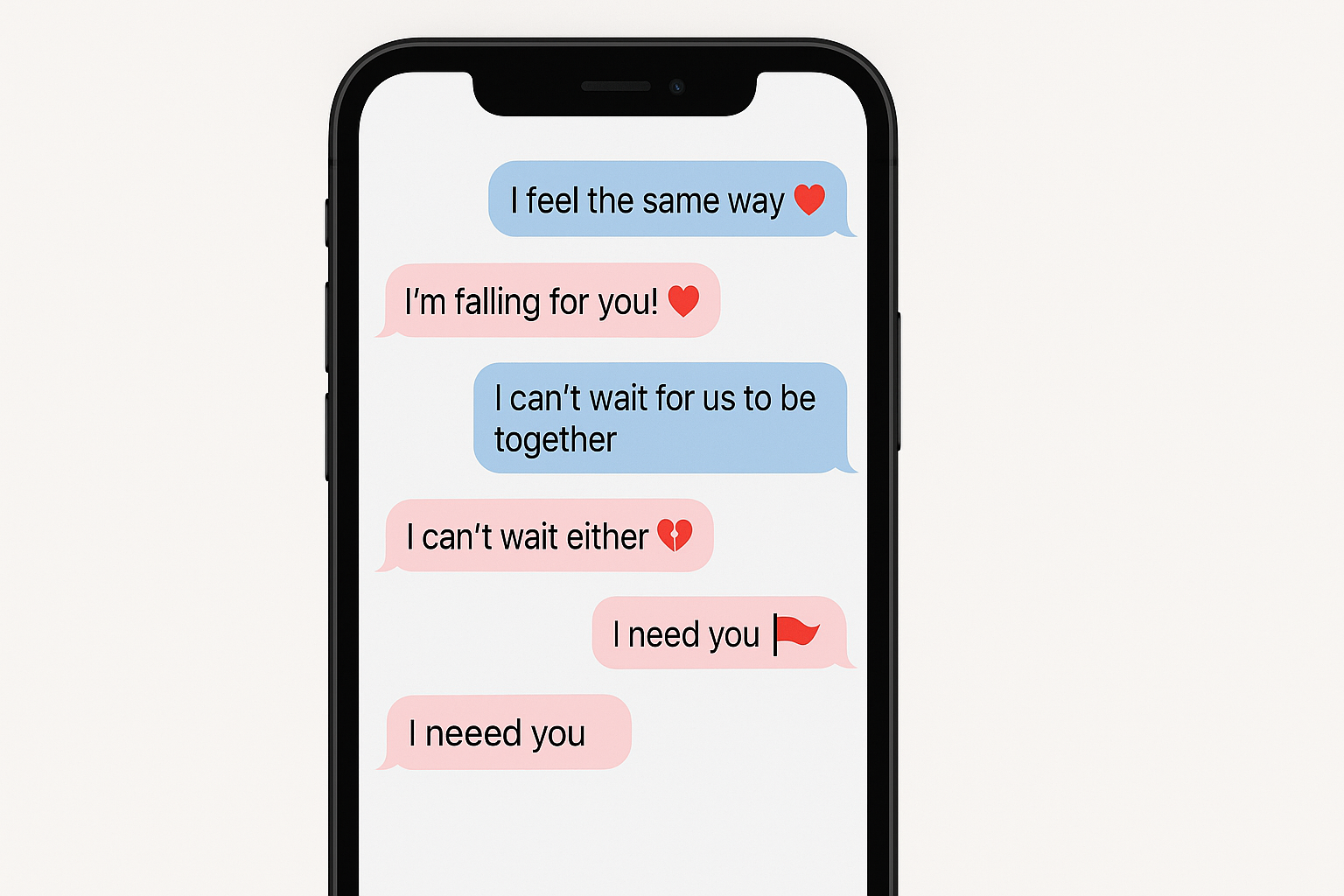
One of the strongest emotional tactics used by fake profiles is creating a sense of emotional closeness very early. They reveal personal “stories,” share emotional struggles, or talk about their dreams in a way that feels intimate. This rapid emotional bonding is intentional. Genuine relationships take time to grow, but fake profiles build them fast because the illusion of intimacy is their weapon. They give you attention exactly when you need it, respond instantly, and check in more often than most real people can.
This constant communication makes them feel reliable. It creates comfort. And most importantly, it trains your brain to associate their presence with emotional safety, even though their identity is not real.
The Psychological Triggers Fake Profiles Use
Fake profiles don’t just guess their way through conversations they rely on proven psychological triggers to manipulate emotions. These triggers include empathy, validation, curiosity, and vulnerability. A fake profile may compliment you just enough to build confidence while also mirroring your fears to make you feel understood. They ask deep questions, making you feel valued. They share “secrets,” making you feel trusted. They express admiration, making you feel desired. These triggers activate emotional hormones like dopamine and oxytocin, giving you the same chemical high you’d feel with genuine affection.
Over time, this addiction to digital affection becomes the perfect environment for deeper manipulation. You begin believing the connection is meaningful, even if you’ve never met the person behind the screen.
Why Fake Profiles Avoid Video Calls and Real Proof
One of the biggest clues that someone is using a fake profile is their resistance to video calls or in-person meetings. They always have excuses: broken cameras, poor internet, unexpected emergencies, or work restrictions. These excuses are scripted. Fake profiles avoid video calls because their appearance does not match the photos they use. They avoid live interactions because they cannot maintain the illusion in real time. Yet, because the emotional bond feels strong, victims often ignore these signs.
They rationalize the excuses because they care about the person. Emotional manipulation works best when logic is replaced by attachment, and fake profiles rely on this shift to maintain control.
How Fake Profiles Create Emotional Dependence
Fake profiles manipulate emotions by making themselves essential to your emotional routine. They message you first thing in the morning and last thing before you sleep. They send sweet reminders, motivational words, or comforting messages during your hard moments. This consistent emotional support becomes addictive. It makes you crave their presence. And once emotional dependence is formed, fake profiles can begin steering your decisions, your thoughts, and even your self-worth.
This is the same tactic used in psychological manipulation and cult-style grooming attachment first, control second. When someone becomes a daily emotional habit, your ability to question their authenticity becomes weaker and weaker.
What Fake Profiles Really Want From Emotional Manipulation
Not all fake profiles want money some want attention, validation, or power. But the most harmful ones want financial gain. Once emotional dependence is built, the requests begin subtly: small favors, emotional support gifts, or sudden emergencies. These requests escalate slowly over time. Because you care about them, you feel compelled to help.
You justify the request because you believe the relationship is real. This emotional manipulation is calculated. Fake profiles know that asking too early raises suspicion, so they wait until you’re deeply emotionally involved. And by then, the line between logic and emotion has already blurred.
Red Flags Fake Profiles Use During Manipulation
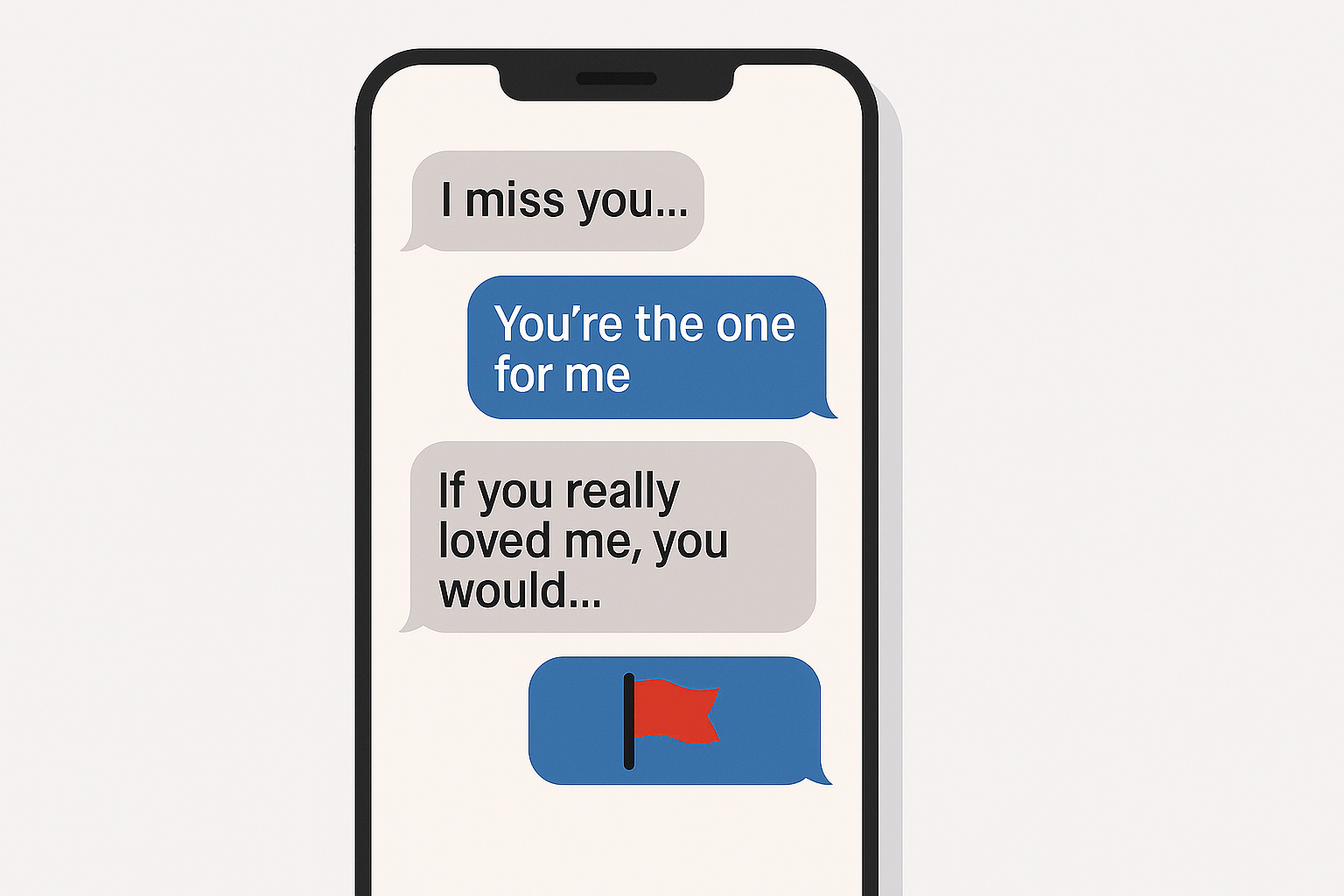
Spotting fake profiles becomes easier once you understand their red flags. These warning signs often appear early but are easy to overlook when emotions are involved. Common red flags include:
- Perfect photos with no candid or natural pictures
- Very fast emotional connection or sudden confessions of love
- Avoiding video calls or real-time interactions
- Stories that sound overly dramatic or inconsistent
- Emotional pressure, guilt, or manipulation methods
- Lack of personal details or mismatched information
These red flags don’t reveal everything, but together they form a clear pattern. Fake profiles thrive when emotions replace reason, so recognizing the pattern early can protect your heart and your safety.
How to Protect Yourself From Fake Profiles
Protecting yourself from fake profiles does not require fear it requires awareness. Always verify details before becoming emotionally attached. Ask for video calls early. Look for inconsistencies in their stories. Use reverse image search on their photos. Take emotional connections slowly, allowing time to reveal authenticity. Most importantly, trust your discomfort.
Fake profiles rely on emotional speed, secrecy, and excuses. When something feels off, don’t ignore it. Your intuition is often the first line of defense against emotional manipulation. With the right awareness, you can enjoy online connections safely while shielding yourself from harmful intentions.
Your Emotions Deserve Real People
Your emotions are real, your heart is real, and your desire for connection is real. Fake profiles exploit the most human part of you your need for affection and understanding. But with awareness, you can protect yourself from these emotional traps. Real relationships grow naturally. They don’t rush intimacy, avoid proof, or manipulate you with emotional triggers.
You deserve a connection that is safe, transparent, and genuine. The more you understand how fake profiles manipulate emotions, the stronger and wiser you become in navigating today’s online dating world.
FAQs
How can I quickly spot a fake profile?
Look for perfect photos, overly fast bonding, strange excuses for avoiding video calls, and inconsistent personal details.
Why do fake profiles manipulate emotions?
They use emotional manipulation to gain trust, create dependence, and eventually influence you for validation, control, or financial gain.
Are all fake profiles scammers?
No. Some seek attention or emotional validation, but the harmful ones aim to exploit victims financially or psychologically.


