
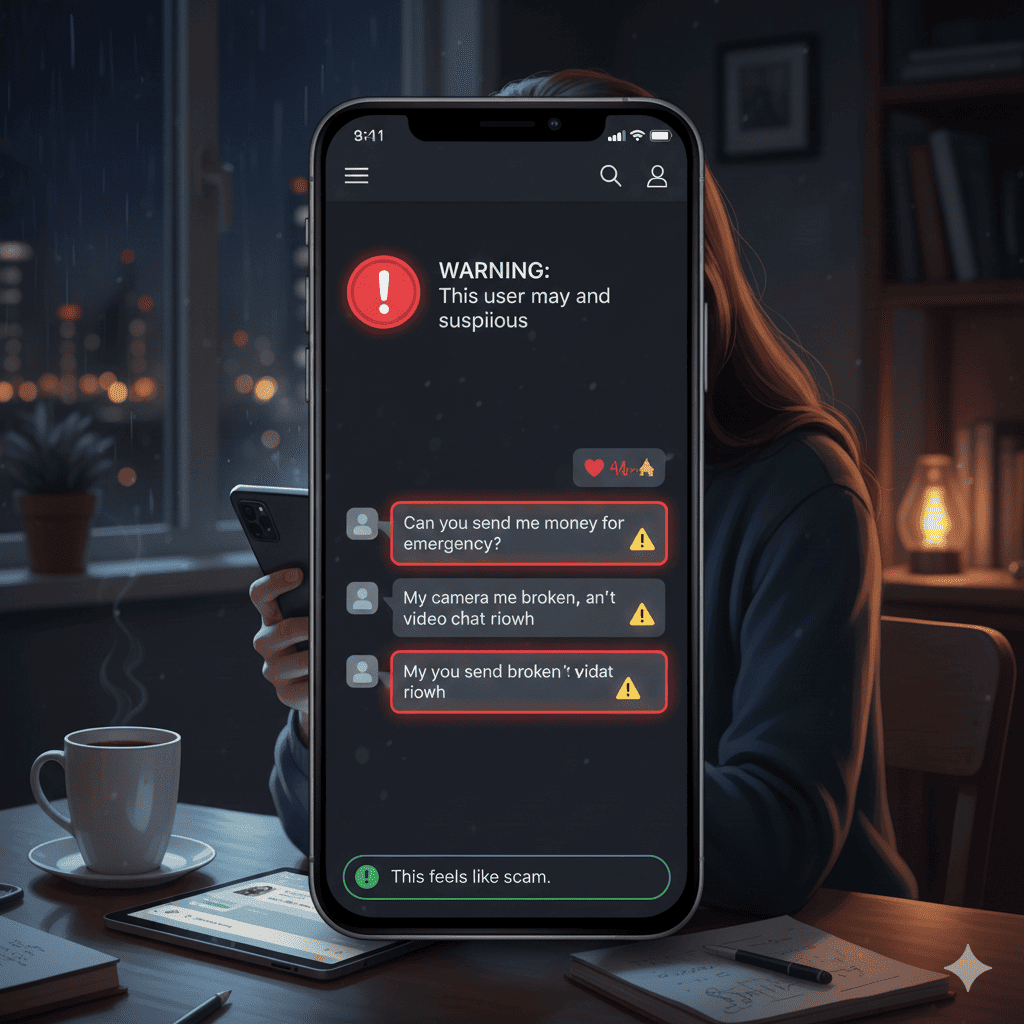
It usually starts with a simple notification. A friendly “Hi,” a compliment that feels genuine, or a message that arrives at just the right time. Dating apps are designed to create connections, and when someone shows interest, it feels exciting. But hidden among real conversations are scam texts carefully written to look natural and emotionally engaging. Avoiding scam texts on dating apps has become an essential skill, not just for protecting money, but for protecting emotions, privacy, and peace of mind. Many people don’t realize they are being scammed until trust has already formed.
Scam texts don’t always look suspicious at first. In fact, the most dangerous ones feel warm, polite, and thoughtful. They ask about your day, remember small details, and mirror your emotions. This is why avoiding scam texts requires awareness, not paranoia.
Understanding how scammers communicate, why their messages work, and how conversations slowly shift toward manipulation helps users stay safe without losing the joy of genuine online connections.
Avoiding Scam Texts: How They Start on Dating Apps
Avoiding scam texts begins with understanding how they usually start. Scammers often open conversations with harmless greetings and compliments that feel personal but are actually generic. Messages like “You seem different from others here” or “I felt a connection reading your profile” are designed to make you feel special. At this stage, nothing feels wrong. The conversation flows easily, and the person appears interested without being overly aggressive. This early phase is about building comfort and lowering suspicion.
As conversations continue, scammers begin steering discussions toward emotional topics. They may share stories about loneliness, past heartbreak, or personal struggles. This creates emotional bonding and trust. Avoiding scam texts becomes difficult because the messages don’t feel transactional they feel emotional.
The scammer wants you invested before introducing requests, links, or stories that require sympathy or action. Recognizing this gradual emotional setup is the first step toward protection.
Avoiding Scam Texts by Recognizing Common Patterns
Avoiding scam texts is easier when you recognize repeated patterns. While every scam feels unique, many follow similar structures. Scammers often reply quickly, use consistent enthusiasm, and avoid detailed personal questions that would expose inconsistencies. They may claim to have limited access to video calls or suggest moving conversations off the dating app very early. These behaviors are subtle but intentional, designed to move conversations into less monitored spaces.
Another common pattern involves urgency. Scammers create situations that require fast decisions emergencies, opportunities, or sudden emotional needs. They rely on emotional reactions rather than logic. Avoiding scam texts means slowing down conversations and questioning why urgency exists. Genuine connections respect boundaries and time. Pressure is a signal, not affection.
Avoiding Scam Texts: Red Flags Hidden in Friendly Messages
Some scam texts are hidden behind kindness. Avoiding scam texts requires paying attention to what is missing, not just what is said. Scammers often avoid answering direct questions, give vague responses about their location or job, or repeat emotional phrases without adding substance. Messages may feel scripted, even though they sound caring. These red flags are easy to miss when conversations feel supportive and engaging.
Watch for repeated excuses. If someone always has a reason for not calling, meeting, or verifying their identity, it matters. Avoiding scam texts means trusting patterns, not promises. One excuse can be understandable. A pattern of avoidance is not. Emotional consistency without real-world validation is a warning sign many victims recognize only in hindsight.
Avoiding Scam Texts When Requests Begin
The moment requests appear, avoiding scam texts becomes critical. Requests may start small asking for help, advice, or emotional support. Over time, they escalate into requests for money, gift cards, account access, or clicking links. Scammers frame these requests as temporary or necessary due to emergencies. They rely on guilt, sympathy, or fear to push compliance.
Avoiding scam texts means remembering one rule: genuine connections do not ask for financial or digital help from strangers. No matter how convincing the story sounds, requests signal danger. Scammers often test boundaries to see how much they can ask. Saying no early protects you from larger risks later.
Avoiding Scam Texts Through Safe Messaging Habits
Strong habits are your best defense when avoiding scam texts. Keep conversations within the dating app as long as possible. Dating platforms monitor suspicious behavior and provide reporting tools. Once conversations move to private messaging apps, protection decreases. Avoid sharing personal information such as phone numbers, addresses, or workplace details early in conversations.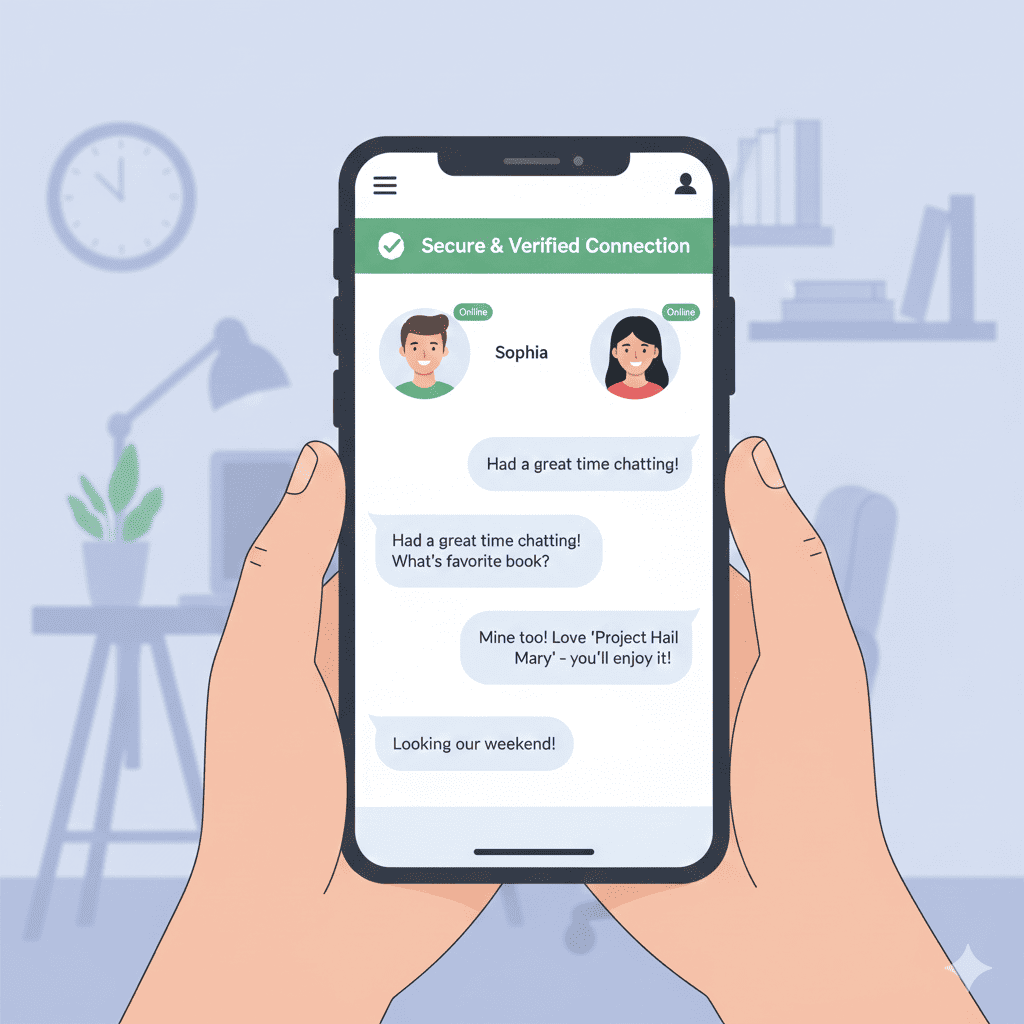
Take time to verify consistency. Ask thoughtful questions and notice whether answers align over time. Avoiding scam texts is not about interrogating people, but about observing honesty. Genuine people don’t rush intimacy or pressure trust. They respect comfort levels and communicate clearly without manipulation.
Avoiding Scam Texts: What to Do If You Suspect a Scam
If you suspect scam texts, stop engaging immediately. Avoid confronting the scammer or explaining your doubts. Save messages as evidence and report the account through the dating app. Avoiding scam texts also means protecting emotional well-being. Feeling embarrassed or disappointed is normal, but silence allows scammers to continue targeting others.
Never click suspicious links or download files sent through dating apps. These links often lead to phishing sites or malware. Avoiding scam texts means prioritizing safety over curiosity. Blocking and reporting protects both you and the community.
FAQs
Are scam texts always obvious?
No. Many scam texts feel natural and emotionally engaging.
Can scammers use real photos?
Yes. Scammers often steal real images from social media.
Should I report suspicious messages?
Yes. Reporting helps platforms remove scammers faster.


13 Responses