

Trust is the heartbeat of every relationship. When it’s strong, love flows effortlessly. But when it breaks, even the smallest conversation can feel heavy. A trust relationship isn’t just about honesty; it’s about emotional safety knowing your heart is in good hands.
We all make mistakes. Sometimes, it’s a lie. Sometimes, it’s distance, neglect, or betrayal. But losing trust doesn’t always mean losing love. It means rebuilding, brick by brick, with patience, vulnerability, and genuine effort.
This article will guide you through how to regain trust in a relationship whether you’re the one who broke it or the one who’s trying to heal.
What Does Trust Relationship Really Mean?
A trust relationship goes beyond “I believe you.” It’s about emotional security the confidence that your partner values your feelings, respects your boundaries, and stands by you when life gets messy.
In a healthy trust relationship:
- Both partners feel safe expressing their thoughts.
- Promises are kept and actions align with words.
- Mistakes are acknowledged, not hidden.
- Transparency replaces suspicion.
When trust fades, love doesn’t die instantly it suffocates slowly. That’s why understanding its foundation is the first step toward rebuilding it.
How Trust Relationship Gets Broken
Every broken promise leaves a crack. Sometimes the damage is sudden a betrayal, infidelity, or lie. Other times, it’s gradual neglect, poor communication, or emotional distance.
Common reasons trust breaks include:
- Dishonesty about feelings or actions.
- Infidelity or emotional cheating.
- Lack of communication and misunderstanding.
- Avoidance of responsibility.
- Continuous disappointment in promises.
Once trust is broken, both partners enter survival mode one feels guilty, the other feels unsafe. Healing begins when both step out of defense and into understanding.
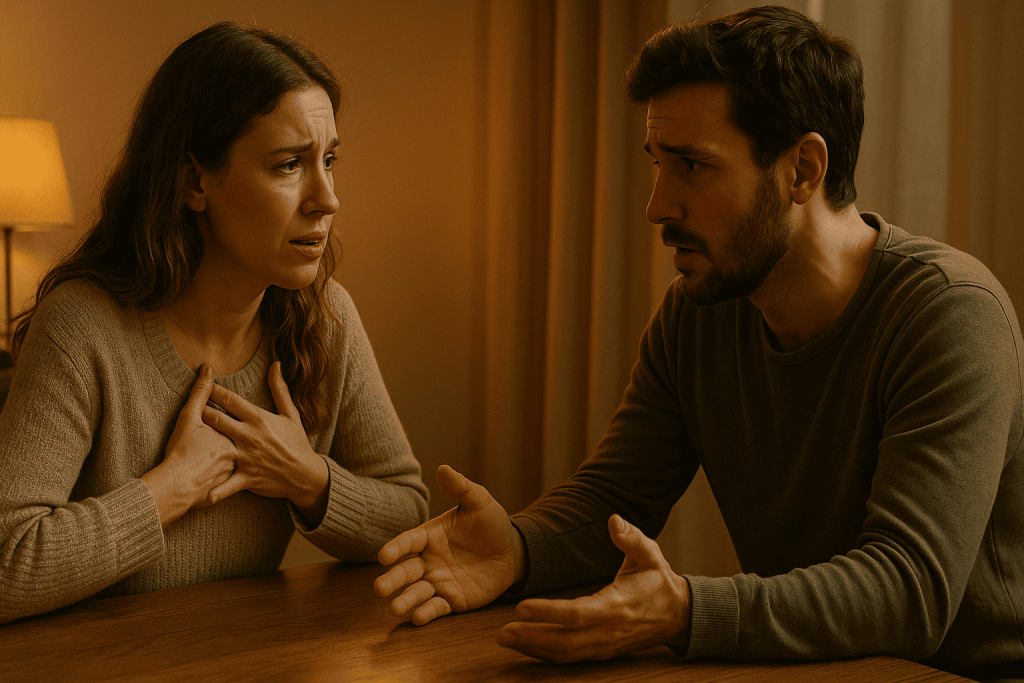
First Step to Rebuilding Trust Relationship – Take Responsibility
The person who broke the trust must own their actions fully, honestly, and without excuses. Saying “I’m sorry” isn’t enough if it’s not backed by changed behavior.
To take responsibility:
- Admit your mistake clearly and sincerely.
- Avoid justifying or shifting blame.
- Express genuine remorse and empathy.
- Ask your partner how they feel instead of defending yourself.
When accountability replaces denial, healing becomes possible.
Rebuilding Trust Relationship Through Open Communication
Communication is the glue that holds love together. In a broken trust relationship, silence becomes poison. Rebuilding starts with openness.
Here’s how:
- Talk honestly about what happened, even if it’s painful.
- Let your partner ask questions without reacting defensively.
- Be consistent in your words and tone.
- Reassure them with honesty, not promises.
Remember, you can’t rebuild trust overnight. But with each truthful conversation, the distance between you begins to close.
For the Hurt Partner – How to Heal in a Trust Relationship
If you’re the one who was betrayed, healing means allowing yourself to feel without rushing forgiveness.
Steps to emotional recovery:
- Acknowledge your pain instead of suppressing it.
- Don’t seek revenge or punishment; it deepens the wound.
- Set clear boundaries for your emotional safety.
- Take time — healing doesn’t follow a timeline.
- Seek support from trusted friends or therapy if needed.
Healing doesn’t mean forgetting. It means choosing peace over resentment.
Rebuilding a Trust Relationship With Actions, Not Words
Actions always speak louder than apologies. A partner who truly wants to rebuild trust will prove it through consistency.
Here’s what consistency looks like:
- Showing transparency with communication and decisions.
- Keeping small promises daily.
- Making efforts to understand your partner’s triggers.
- Allowing your partner space to heal, without pressure.
- Demonstrating patience when progress feels slow.
Small acts — like being on time, checking in sincerely, or staying emotionally available slowly restore safety and love.
Forgiveness in a Trust Relationship
Forgiveness doesn’t mean pretending nothing happened. It means choosing not to live inside the pain forever.
To forgive:
- Understand the difference between forgiving and forgetting.
- Accept that both of you are human and capable of change.
- Focus on how to move forward rather than replaying the past.
- Forgive gradually it’s a process, not a decision.
True forgiveness happens when the heart finds closure, not when the mind forces peace.

Rebuilding Intimacy in a Trust Relationship
Once emotional safety returns, rebuilding intimacy becomes the next step. This doesn’t just mean physical closeness but emotional bonding too.
Ways to reconnect:
- Spend quality time together doing new activities.
- Share positive affirmations and appreciation.
- Relearn how to communicate affectionately.
- Create small rituals of love, like morning check-ins or walks.
Intimacy grows again when both partners feel emotionally secure.
When to Walk Away From a Broken Trust Relationship
Sometimes, the damage is too deep. If rebuilding feels one-sided or emotionally draining, it might be time to let go.
It’s okay to walk away if:
- Your partner shows no accountability or effort.
- The betrayal repeats despite promises.
- You feel unsafe or constantly anxious.
- Trust can’t be rebuilt despite multiple tries.
Leaving doesn’t mean giving up it means protecting your peace and self-worth.
The New Beginning After a Trust Relationship Break
Whether you rebuild or move on, every broken trust teaches you something about love, honesty, and yourself.
You learn to listen better.
You learn to value transparency.
And most importantly, you learn that healing is always possible even after heartbreak.
The beauty of love is that it can be rebuilt, not from the same bricks, but from stronger ones.
FAQs
How long does it take to rebuild trust in a relationship?
It depends on the severity of the breach and the effort of both partners. Real rebuilding can take months or even years, but consistency matters most.
Can a relationship survive after broken trust?
Yes, many relationships survive and even grow stronger when both partners commit to healing and communication.
What if I can’t trust my partner again despite their effort?
That’s okay. Healing doesn’t always mean reconciliation. Sometimes, moving on is the healthiest way to restore inner peace.


