

There’s a unique kind of silence that exists in long-distance relationships. It’s the moment when the call ends, the screen goes dark, and the person who feels closest to your heart is suddenly thousands of miles away. No matter how old you are or how “strong” you think you’ve become, loving someone who isn’t physically present is a test of patience, trust, and emotional endurance.
In a world where dating apps deliver people like products and online connections form faster than real-life bonds, long-distance love feels like a rare kind of commitment. But is it sustainable? Can two people really stay connected across countries, time zones, and digital screens? Let’s break down the truth without fairy tales and without sugarcoating.
The Emotional Reality of Long-Distance Love
Every long-distance relationship begins with a rush. Late-night calls feel magical. Virtual dates are exciting. Even the waiting becomes part of the thrill. But slowly, real life enters the picture and that’s when things get complicated.
Humans bond through presence: eye contact, touch, shared routines. Screens can connect voices, but they can’t replace the warmth of someone sitting next to you. This emotional gap is the biggest challenge. You aren’t missing the person you’re missing the moments you could have had.
And this is where long-distance love becomes a silent battle: the battle between imagination and reality. Between what you feel and what you fear. Between holding on and letting go.
How Miscommunication Slowly Destroys Trust
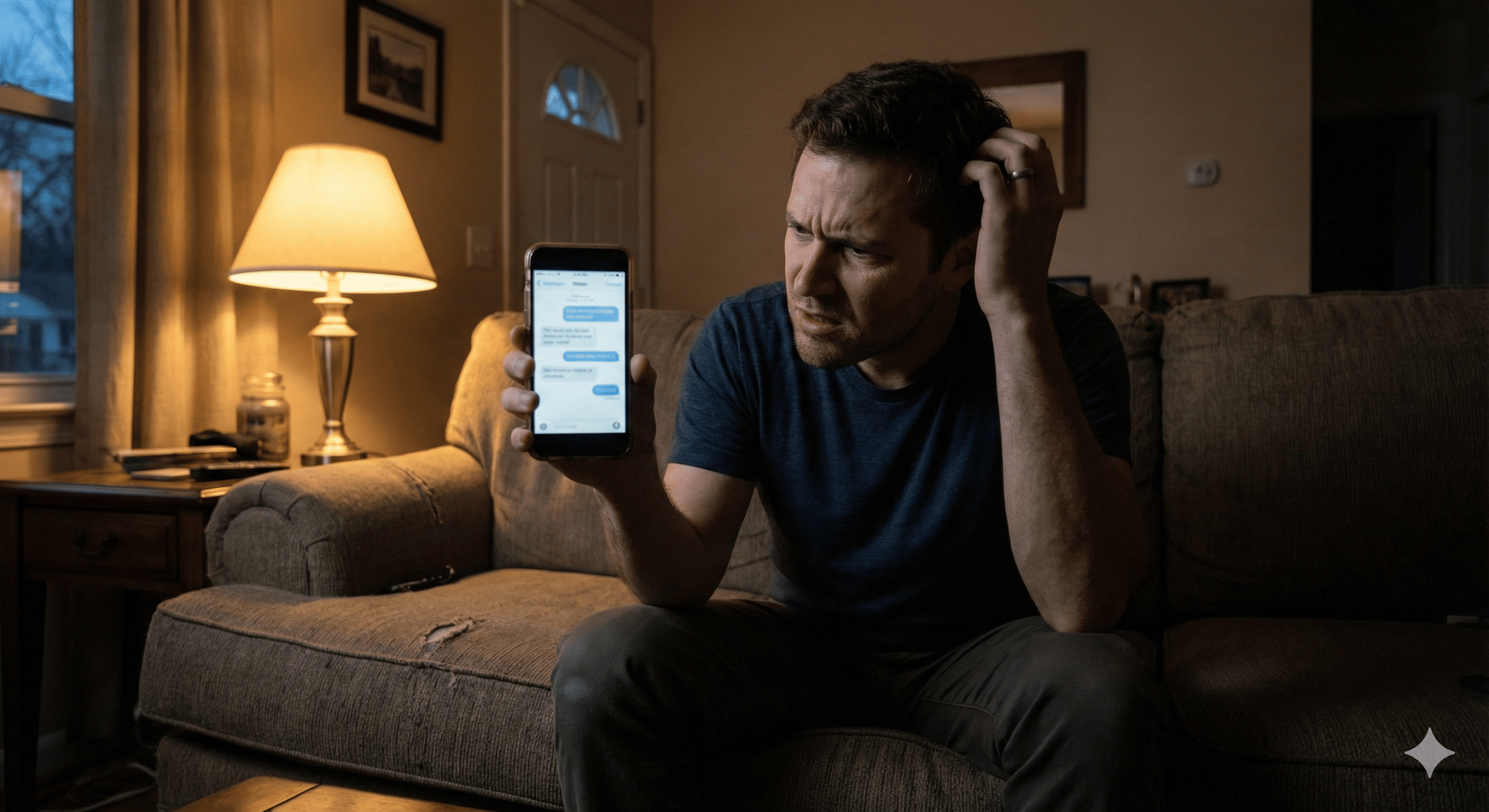
Miscommunication happens in every relationship but in long-distance ones, it hits harder. A simple delayed reply can turn into overthinking. A busy day can feel like rejection. A misunderstood tone on a voice note can become an argument.
Because you can’t read body language, you can’t lean in to comfort, and you can’t fix misunderstandings with a hug. Digital communication creates emotional gaps, and emotional gaps turn into insecurity if left unaddressed.
If long-distance love fails, it rarely happens overnight. It happens message by message, call by call, misunderstanding by misunderstanding until the connection feels like work instead of love.
Loneliness: The Silent Third Partner in Every Long-Distance Relationship
People don’t talk about this enough:
long-distance makes you lonely even when you’re “together.”
There will be nights when you need them but can’t have them. There will be celebrations where you smile in photos but feel the absence in your chest. There will be moments when you wish you could just walk over, touch their hand, or share a meal but all you have is a screen.
Some people handle loneliness well. Some don’t. And that honesty matters more than romantic promises ever will.
The Biggest Question: Can You Trust Someone You Rarely See?
Long-distance relationships don’t break because of distance. They break because of uncertainty. Trust becomes a test you must pass every day. And sometimes, even with the strongest bond, the anxiety becomes exhausting.
Who are they meeting?
Why are they online but not replying?
Are they still as committed as you are?
Are you both growing together or growing apart?
These questions don’t make you insecure. They make you human. Distance amplifies every fear we normally hide.
When Long-Distance Love Works and When It Doesn’t
Long distance relationships can work. But they require something that many couples don’t think about: mental preparation.
They work when two people have:
- Clear long-term plans
- A timeline for ending the distance
- Emotional maturity
- Honest communication habits
- Independent lives
- The ability to handle pressure without giving up
They don’t work when:
- One person feels the distance more than the other
- Reassurance becomes a daily need
- There’s no realistic plan to live in the same city someday
- Jealousy replaces trust
- Love feels like a burden instead of a blessing
Distance doesn’t kill relationships but the wrong expectations do.

What Keeps Long-Distance Love Alive?
Long-distance relationships survive on small things, not big gestures. The good-morning messages. The shared playlists. The random “I miss you” texts. The plans for the future that make the waiting feel worth it.
But the strongest pillar is emotional consistency. Not fireworks. Not drama. Just steady presence even from far away.
When two hearts stay emotionally close, distance becomes a challenge not a threat.
The Truth Nobody Admits: Distance Changes People
You will change during the journey. They will too. New routines, new environments, new pressures. And sometimes, people outgrow each other quietly, unintentionally, slowly.
It doesn’t mean the love wasn’t real. It just means life moved in a direction the relationship couldn’t follow.
But if both people grow in the same direction, the reunion becomes powerful two stronger individuals choosing each other again.
So… Can Long-Distance Relationships Survive?
The honest answer?
Yes but only when both people are willing to put in the emotional work.
Distance forces you to face your deepest fears, insecurities, hopes, and attachment patterns. If handled with maturity, it creates one of the strongest bonds two people can ever have.
But if one person checks out mentally, if one person stops trying, or if the distance lasts forever love has limits.
Long-distance love isn’t about holding hands. It’s about holding hearts despite everything trying to pull them apart.
Frequently Asked Questions
How often should long-distance couples talk?
There’s no rule. Healthy couples communicate consistently but not excessively. Quality beats quantity.
Can long-distance relationships last for years?
Yes, but they last best when there’s a clear plan to eventually close the distance.
What is the biggest risk in long-distance love?
Miscommunication, emotional drifting, and lack of future planning.


