

Social media has changed the way we meet people. A single like, comment, or direct message can spark a connection that feels exciting and meaningful. Many people begin real and lasting relationships online, but the same platforms that connect us have also become hunting grounds for scammers who know exactly how to play with emotions. Social media romance scams are not random attempts; they are carefully designed traps created to make victims feel chosen, valued, and safe until the scammer asks for something.
This article explains how these scams work, why they are becoming more sophisticated, and how you can protect yourself while still enjoying the benefits of online connections.
What makes social media romance scams dangerous is that they often start in places where people least expect manipulation. Unlike dating apps where users look consciously for connections, social media gives scammers access to people who are relaxed, unguarded, and emotionally open.
Someone may respond to a friendly message simply because it feels harmless. Over time, the scammer builds a bond, slowly gaining trust, then subtly introducing emotional hooks and dramatic stories designed to trigger empathy. By the time money is requested, many victims feel emotionally trapped. Understanding how these scams operate is essential for staying safe in today’s digital world.
How Social Media Romance Scams Begin
Social media romance scams often begin with an innocent message that seems casual and genuine. A stranger sends a compliment, reacts to a story, or comments on a post in a way that feels friendly rather than romantic. Scammers know that social media creates a sense of comfort, and people are more likely to engage when the interaction doesn’t feel forced.
Once the conversation starts, scammers begin studying the victim’s posts, interests, and emotional triggers to craft responses that appear deeply compatible. They mirror the victim’s personality, share similar beliefs, and pretend to understand their struggles. This emotional mirroring is intentional it’s how scammers establish fast intimacy.
Another reason these scams start so easily is that scammers use highly believable profiles. They steal real photos, use real names, and create accounts with consistent posting activity. Many victims don’t question authenticity because the profile seems complete.
Scammers may also join the same groups, follow similar pages, or like the same content as their targets to appear relatable. Once trust is built, the scammer becomes more frequent with messages, showing affection, care, and emotional investment. By creating a bond that feels sincere, they position themselves perfectly for the next stage of manipulation.

Why Social Media Romance Scams Feel Real
Social media romance scams feel real because scammers are skilled at emotional storytelling. They create narratives that make victims feel needed, appreciated, and understood. They claim to be lonely, recently heartbroken, or trapped in a difficult life situation that only the victim seems to make better.
Many scammers send long, emotional messages that sound poetic and heartfelt yet these messages are often copied and reused with multiple victims. Emotional intensity is a powerful tool, and scammers use it to create an illusion of vulnerability. This makes victims feel special, chosen, and connected, which lowers their defenses over time.
Another reason these scams feel authentic is that scammers use time investment as a strategy. They communicate daily, sometimes multiple times a day, creating a rhythm that feels like a real relationship. They ask about routines, provide encouragement, and become a consistent emotional presence. When someone shows interest regularly, it’s natural to begin trusting them. Scammers exploit that natural human need for connection.
They purposefully avoid video calls, but they compensate with affectionate messages, voice notes, and symbolic gestures. The emotional closeness feels real, even if the person behind the screen is a stranger with a carefully planned scam.
Common Tactics Used in Social Media Romance Scams
Social media romance scams typically follow predictable patterns, even though each scammer personalizes their approach. One of the most common tactics is the creation of crisis scenarios. After building a strong emotional bond, scammers introduce a sudden emergency that requires financial help.
This may involve medical issues, travel complications, job loss, or legal trouble. The scammer claims that you are the only person they trust enough to ask for help. By mixing emotional pressure with urgency, they hope to break your financial boundaries.
Another tactic is gradual emotional dependency. Scammers isolate victims from friends or family by insisting that “outsiders” won’t understand the relationship. They encourage secrecy and create a sense of “us against the world.” This emotional manipulation makes victims second-guess their own judgment.
Scammers also use subtle guilt, saying things like, “If you really cared about me, you’d help.” Their goal is to replace logic with emotion, making it harder for victims to recognize the red flags. By the time money becomes part of the conversation, many victims are already deeply invested in the emotional bond.
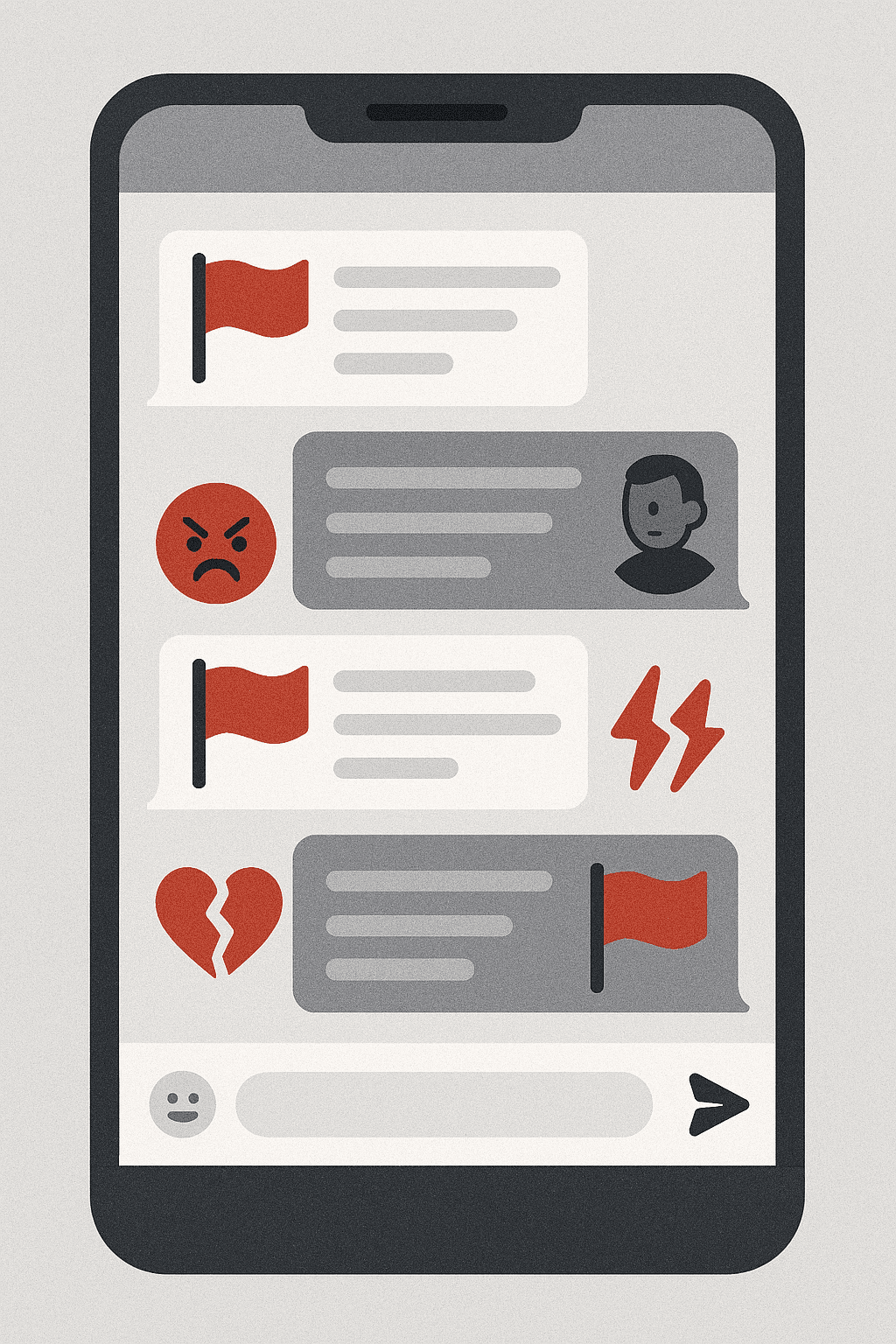
How to Identify Social Media Romance Scam Red Flags
Red flags in social media romance scams are often easy to miss because scammers are experts at blending affection with manipulation. One of the biggest warning signs is someone who avoids video calls, live photos, or any real-time proof of identity. They always have excuses bad camera, broken phone, poor connection, or inconvenient work schedules.
If someone refuses to show their face despite claiming to love or trust you, that’s a major red flag. Another warning sign is excessive flattery early in the conversation. Scammers often shower victims with compliments and affection within days, creating a false sense of closeness.
Additional red flags include inconsistent stories, sudden emergencies, and requests for secrecy. Scammers may ask for money indirectly at first, hinting at financial struggles or medical issues. They test how sympathetic you are before making an actual request.
Refusing to connect on other platforms, avoiding conversations about their past, and disappearing randomly are also common signs. By staying alert to these early indicators, you can avoid falling into emotional traps. Genuine connections develop naturally, not through pressure, secrecy, or rushed intimacy.
How to Protect Yourself from Social Media Romance Scams
Protecting yourself begins with setting strong boundaries. Never send money to someone you have not met in person, no matter how convincing their story may be. Scammers rely on emotional appeal, so staying grounded in logic is essential. If someone refuses video calls or avoids personal details, keep communication light and avoid sharing sensitive information.
Report suspicious accounts and block users who demonstrate manipulative behavior. Trust your instincts if a situation feels strange, it probably is. Real relationships don’t require secrecy or financial support.
Another important step is verifying identity. Use reverse image search tools to check profile photos. Look for inconsistencies in their posts, comments, or interactions. Ask questions that require specific answers, and pay attention to their reactions. If you feel unsure, talk to a trusted friend or someone outside the situation.
Getting an external perspective helps break emotional fog. Remember, scammers prey on loneliness and vulnerability, but awareness and caution can protect you from falling victim to emotional and financial manipulation.
FAQs
What is a social media romance scam?
A social media romance scam occurs when a scammer builds a fake emotional relationship with someone online to gain money, gifts, or personal information.
Why do scammers use social media instead of dating apps?
Social media users are more relaxed and less suspicious, making it easier for scammers to build trust without raising red flags.
What should I do if I think I’m being scammed?
Stop communication immediately, avoid sending money, block the scammer, and report the profile to the platform.


