
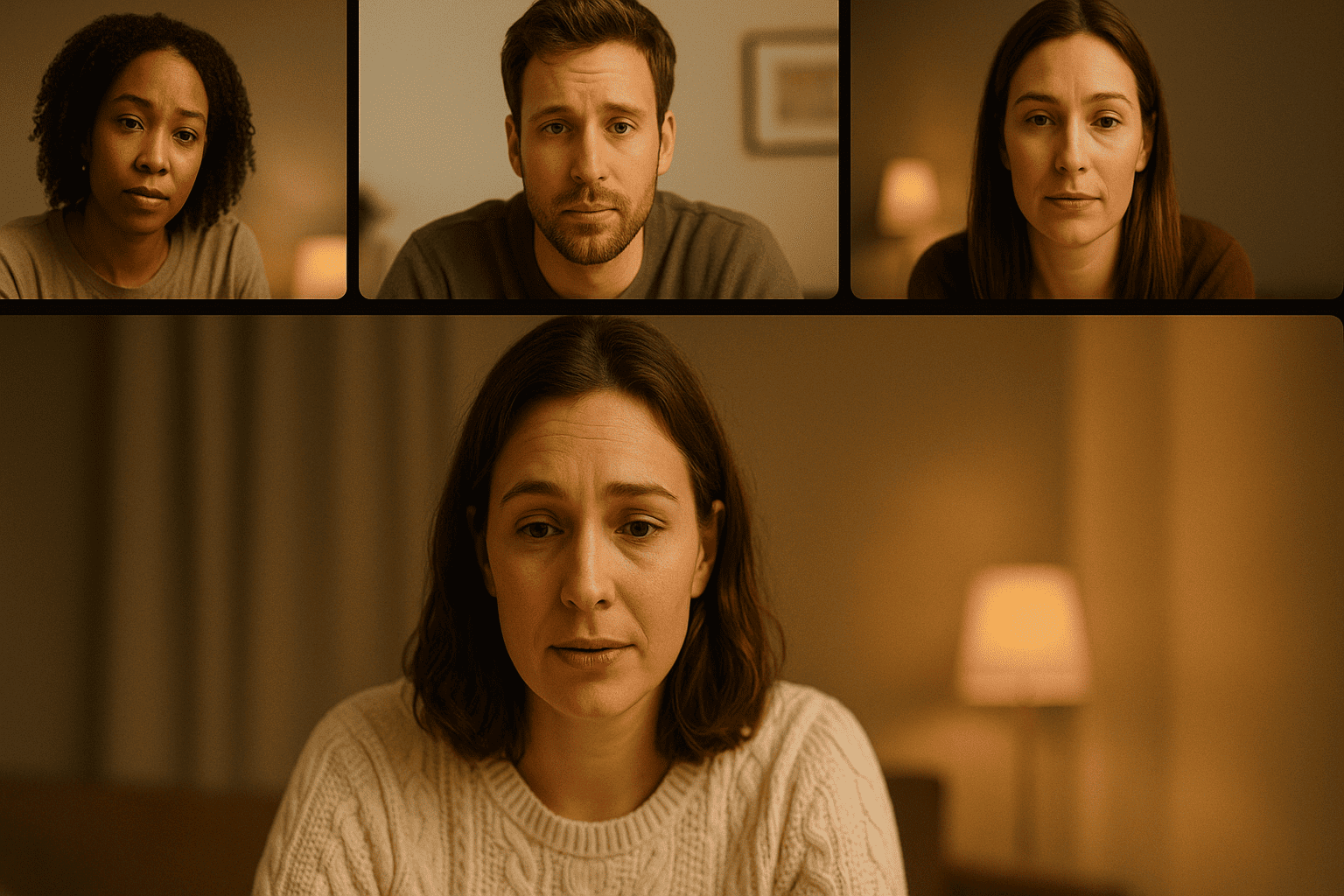
When someone you trusted turns out to be a love scammer, the impact goes far beyond loss of money. The emotional pain, sense of betrayal, and often the isolation that follows can be overwhelming. You may blame yourself, feel ashamed, or find it hard to talk about what happened. What many survivors find healing through, however, is connection connecting with others who understand, finding professional help, and discovering resources that restore hope. In this article, we explore how support groups and survivor resources can help you journey from victim to survivor.
Why Support Groups Matter
Support groups serve multiple purposes for people recovering from romance scams. First, they validate your experience. When you listen to others’ stories similar confusions, regrets, heartbreaks it becomes clearer that what you experienced is not unique, and the shame you feel does not reflect weakness. Often, merely knowing that others are walking the same difficult path eases loneliness.
Support groups also provide emotional safety. Unlike casual conversations with well-meaning friends, these groups are spaces designed for honest sharing, facilitated by people who acknowledge the trauma of deception. With this support, survivors can express anger, sadness, guilt, or fear without judgment. Over time, sharing becomes part of healing.
They also enable practical learning. Members share information on warning signs, scam tactics, recovery strategies, legal options, and emotional coping tools. This exchange of lived experience can help you avoid repeating mistakes and build stronger boundaries in future relationships.
Notable Organizations & Resources
There are several reputable organizations and networks that offer help to survivors of romance scams. Here are a few that are available and trusted:
- SCARS (Society of Citizens Against Relationship Scams Inc.) provides peer support groups, free and confidential, led by professionals trained in trauma-informed care.
- FightCybercrime.org offers romance scam recovery groups, providing a structured program, ongoing support, and a network of survivors to share with.
- Cybercrime Support Network, often in collaboration with foundations and non-profits, runs online support communities for identity theft, romance fraud, and emotional recovery.
- Advocating Against Romance Scammers (AARS) is another nonprofit raising awareness, giving survivor resources, connecting victims, and advocating policy or platform changes.
These groups often offer online meeting places such as moderated forums, private or closed social media groups, video or phone support sessions, resource libraries (e.g. articles, recovery guides), and sometimes counselling referrals. Many of their services are free and available to people anywhere, regardless of country, though time zones and language may limit access in some cases.
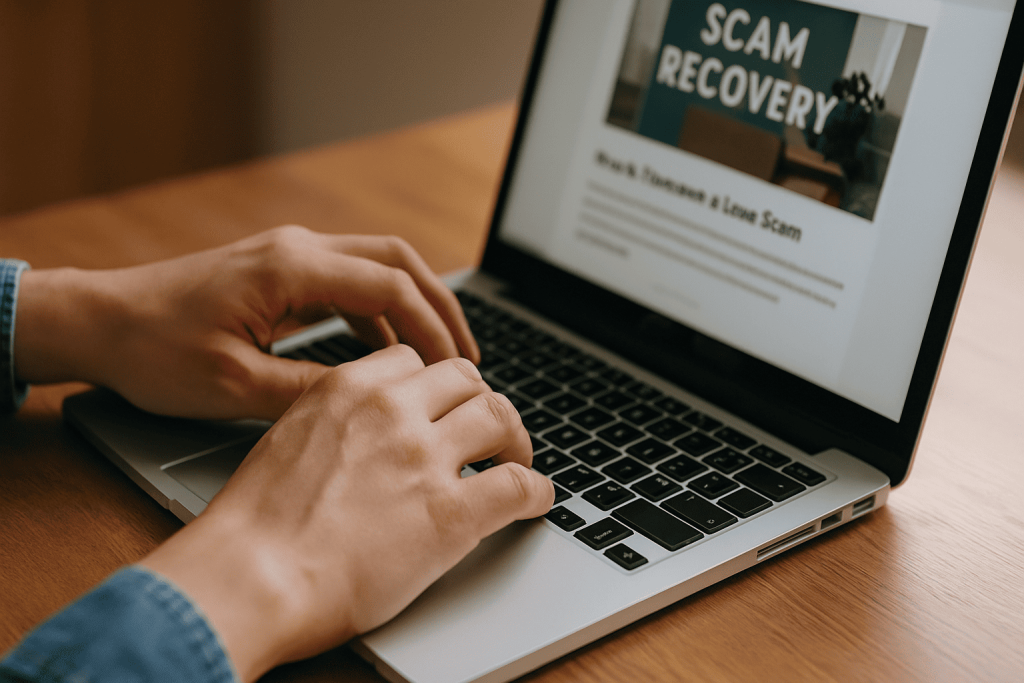
What To Look for in a Good Support Group
Not all support groups are created equal. To ensure your emotional safety, consider these when choosing a group:
- Trauma-Informed Facilitation: Leaders or moderators should understand emotional abuse, heartbreak, and deception. They should help members feel safe, set boundaries, and respond to crisis sensitively.
- Confidentiality and Privacy: Especially since scam experiences can carry feelings of shame or personal exposure, a group must protect identities and ensure privacy.
- Peer Experience: Hearing from others who have been through scams helps credibility. Shared stories allow you to learn, not just from theory but from real recovery paths.
- Access to Resources: The group should supply practical tools legal help, financial protection guidelines, mental health referrals, scam-reporting instructions not just emotional venting.
- Continuous Support: Recovery isn’t a short-term thing. Groups that allow ongoing participation or returning for check-ins tend to offer better sustained healing.
How to Make the Most of These Resources
Joining support is a positive step, but there are ways to make that involvement more adaptive:
- Be honest with yourself about what you need. Some days you may benefit most from listening, others from speaking out.
- Set boundaries: some topics might be triggering (like financial loss, betrayal by identity), so it’s okay to step back or skip discussions when needed.
- Take notes: when peers share strategies or resources that help them, write them down. Over time, you’ll build your own toolkit.
- Mix professional help with peer help. If possible, combine support groups with a counselor or therapist who understands trauma. Formal therapy can help you process deeper wounds.
- Give back if you’re ready. Sometimes helping others sharing what you have learned, offering encouragement strengthens your own recovery and turns pain into purpose.
Emotional and Psychological Recovery Together
Support alone may not erase all hurt, but it plays a critical role in rebuilding trust in yourself, in others, and in relationships. You gradually reclaim your narrative: learning that the scam doesn’t define your identity or your capacity to love or be loved.
With time, survivors often report improvements: reduced shame, stronger boundaries, clearer judgment in new relationships, and sometimes even advocacy or helping others which bring meaning. Many say that connection support groups, mentors, community was a turning point. It’s rarely simple or quick, but collective strength makes the journey feel less isolating.


3 Responses
Just hopped into Sprunki But Will You Adopt Simon? and the vibes are fire! No cap, the soundtrack is one of the best I’ve heard in a mod. GG to everyone involved!
As a long-time Sprunki fan, I appreciate the polish in Sprunki But Will You Adopt Simon?. The sprite work is cleaner and the controls feel tighter than previous versions. Worth the grind!
Mastering Sprunki But Will You Adopt Simon? is so rewarding. The music sync with the enemy patterns (or animations) is chef’s kiss. Pro tip: watch for the tempo changes!